Apple announced two new MacBook Pro laptops this week, and for the first time in years, the cheaper one isn't the slower one in every sense. It's complicated.
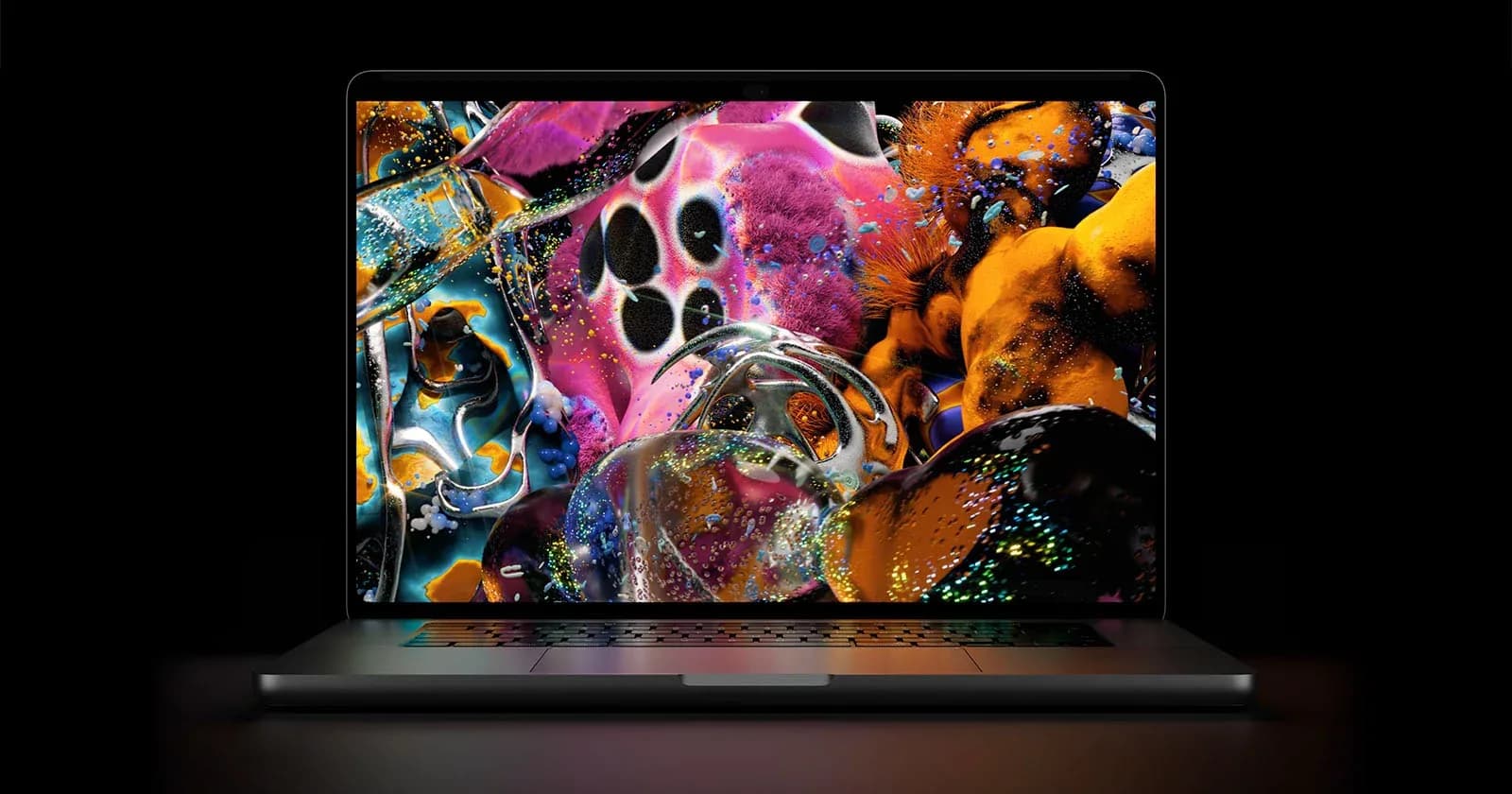
The MacBook Pro OLED, Apple's first touchscreen Mac with an OLED panel, starts at $2,899 for a 14-inch model with an M5 Pro chip, 24GB of RAM and 1TB of storage. A 16-inch version starts at $3,399. Step up to the M5 Max chip and prices climb to $4,499 for the 14-inch model and $4,799 for the 16-inch.
The MacBook Pro M6, meanwhile, starts at $1,999 for a 14-inch model with Apple's new M6 chip, a 12-core CPU, a 12-core GPU, 16GB of RAM and 1TB of storage. Buyers can configure it up to 32GB of RAM and 4TB of storage, which pushes the price up considerably.
Here's the twist. Apple's Pro and Max chips have traditionally outmuscled the base version of whatever chip comes after them, and the M5 Pro and M5 Max inside the MacBook Pro OLED are no exception. Tom's Guide, which has tested MacBook Pros built around those chips along with the M6 Mac mini, expects the MacBook Pro OLED to run noticeably faster than the cheaper MacBook Pro M6, even though the M6 chip is newer.
Screen and design are the real split
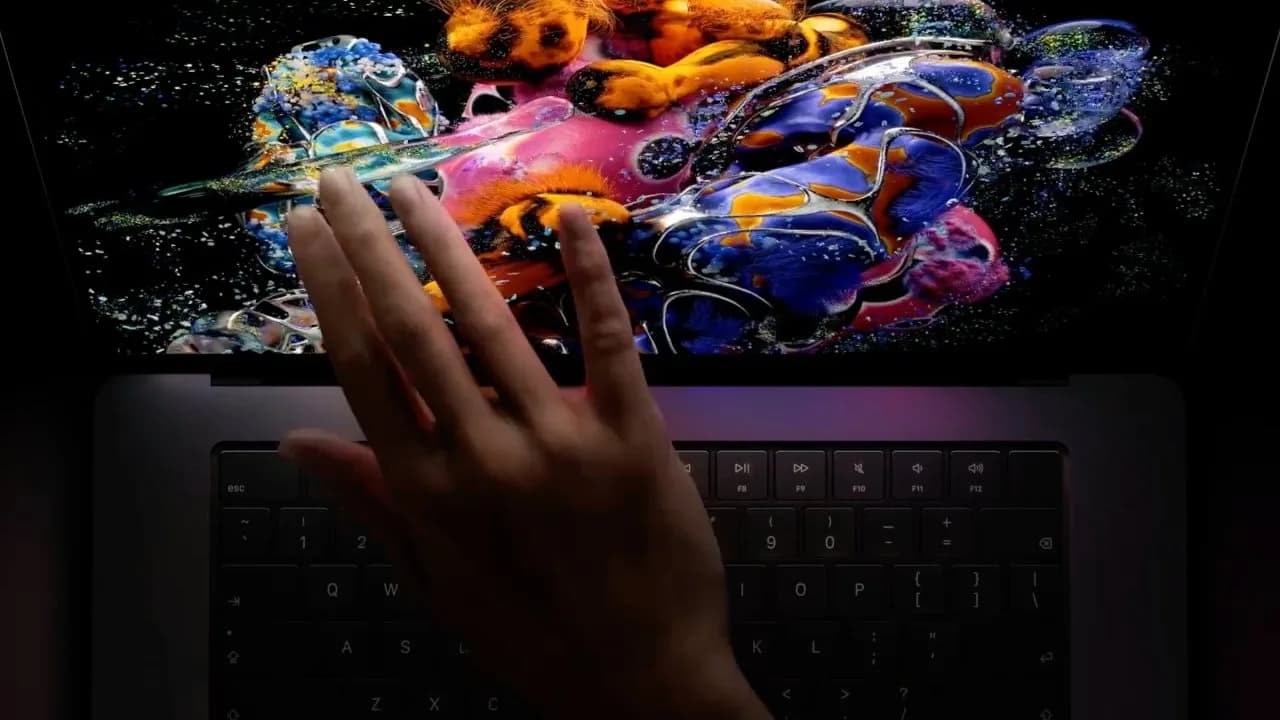
The display is where the two machines actually diverge. The MacBook Pro OLED uses what Apple calls a PROLED XDR display, a tandem OLED panel Apple says hits peak SDR and HDR brightness of 2,000 nits with true per-pixel blacks. The notch is gone, replaced by a Dynamic Island that brings Live Activities to a Mac for the first time. Touch input is built into the panel itself rather than layered on top, though it doesn't support the Apple Pencil. Tom's Guide's Mark Spoonauer, who went hands-on with the machine at Apple's event, said the touch response felt "pretty smooth" scrolling between apps and drawing with a finger.
The MacBook Pro M6 keeps the Liquid Retina XDR mini-LED screen from the outgoing M5 generation, notch and all, with no touch support and no Dynamic Island.
OLED panels also don't need the backlight array a mini-LED screen requires, so the MacBook Pro OLED is thinner and lighter than the model it replaces. The 14-inch version weighs about 3 pounds, half a pound less than before, and the 16-inch model comes in just over four pounds with a display that grows slightly to 16.3 inches thanks to narrower borders. It also brings back Apple's glowing logo on the lid, a design touch absent from MacBooks for more than eight years.
Ports tell a smaller story. The MacBook Pro OLED gets three Thunderbolt 5 ports alongside HDMI, an SD card slot, MagSafe 3 and a headphone jack, plus Wi-Fi 7 and Bluetooth 6. The MacBook Pro M6 has the identical port layout but with Thunderbolt 4 instead of Thunderbolt 5.
Both laptops go on sale November 6. For buyers deciding between them, the choice comes down to whether a touchscreen OLED display and a sharper chip are worth $900 or more over the standard MacBook Pro M6, which still gets Apple's newest chip even if it isn't the fastest one in the lineup.
CDFiled by The Computing Desk
Laptops, desktops, processors, graphics cards and the operating systems that run on them.
More from this desk →

Be the first to comment
Join the argument. No password, just your email or a passkey.