Apple's 2026 price increases were not just about new chips and bigger screens. According to a Wall Street Journal report citing research firm TechInsights, the company is paying far more for the flash memory inside its phones and laptops because the chipmakers it used to push around now have better offers elsewhere.
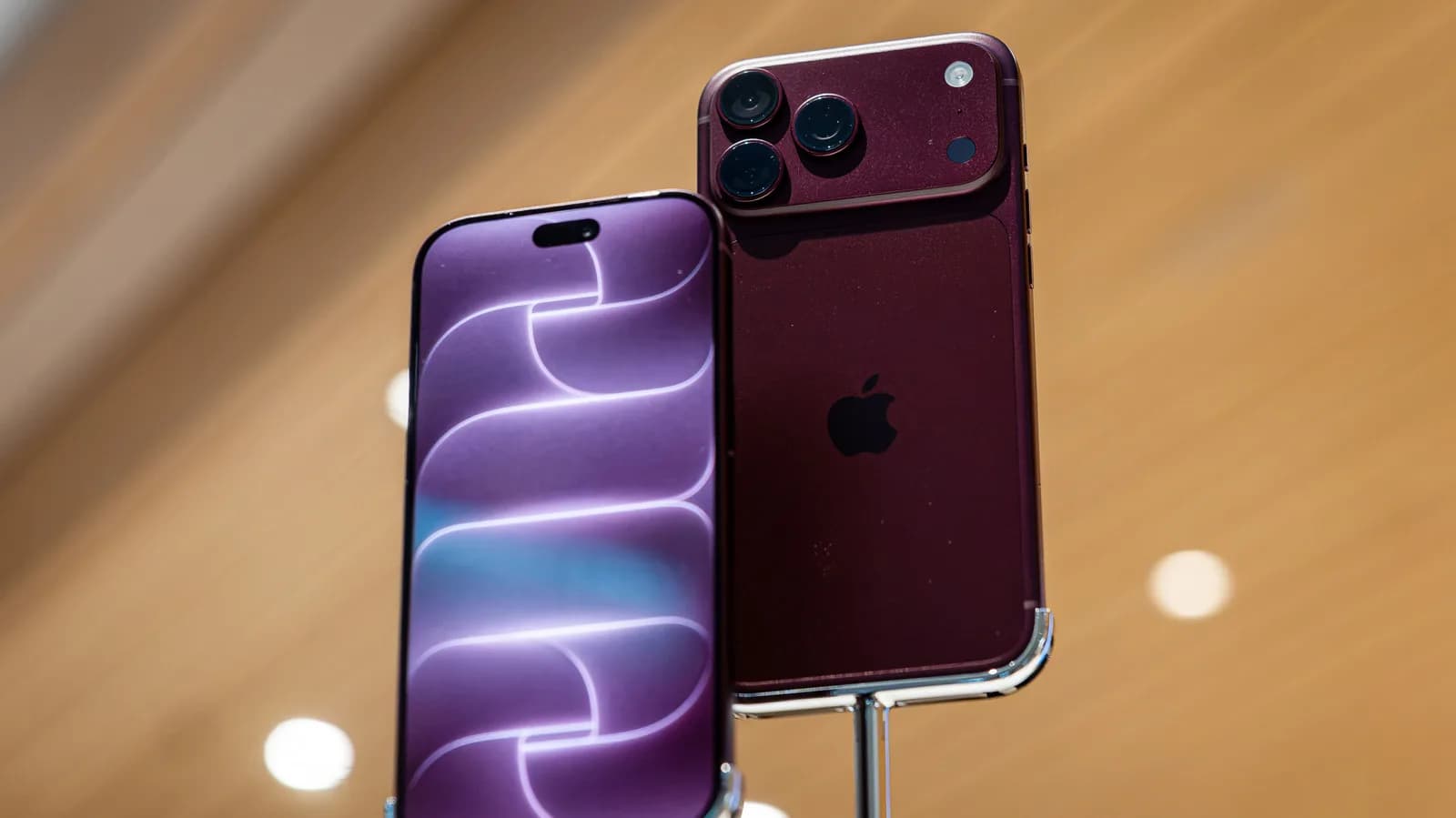
The numbers in India show how far prices have moved. The iPhone 18 Pro starts at Rs 1,64,900 and the iPhone 18 Pro Max at Rs 1,79,900, each Rs 30,000 above where the iPhone 17 Pro line launched a year earlier. Older phones went up too, which almost never happens. The iPhone 17 now costs Rs 99,900, up from Rs 82,900, and the iPhone Air has climbed from Rs 1,19,900 to Rs 1,49,900. Apple's average iPhone price rose about 13 percent globally this year, per the report.
The root cause, per the WSJ's analysis, is a memory shortage driven by AI data centers. Flash storage that cost roughly 5 cents per gigabyte in 2023 now runs past 30 cents, a jump of about 550 percent in under three years. Apple is expected to spend close to $25 billion on flash storage in 2026, versus $6 billion in 2025, for roughly the same volume of chips.
What changed is use. Two years ago Apple alone bought nearly twice as much flash memory as Microsoft, Amazon, Meta and Google combined. Now those AI hyperscalers together buy twice as much as Apple does. Meta, Microsoft and Amazon have reportedly locked in long-term supply agreements with chipmaker Kioxia at higher prices, giving suppliers customers who no longer need to haggle the way Apple always did.
And Apple did haggle. The report describes a company that historically audited supplier books to confirm no rival was getting a better rate, and that sometimes refused to take delivery of chips when prices fell, leaving the supplier holding the inventory. That posture worked when Apple was the biggest buyer in the room. It works less well when a half dozen AI companies are competing for the same wafers.
There's a wrinkle here that cuts in Apple's favor, too. The WSJ's analysis estimates that through 2025, Apple pocketed more than 80 cents of gross profit for every dollar it charged customers to bump up storage tiers on iPhones and iPads. Roughly 100 million iPhone buyers paid for a storage upgrade last year, according to IDC estimates cited in the report, generating more than $10 billion in gross profit from storage markups alone. So even as Apple pays suppliers more, it has been charging its own customers a steep premium to go from the base tier to the next one up.
These are WSJ estimates built on industry data and IDC figures, not numbers Apple has disclosed itself. Apple's own comment, as relayed in the report, was that it values its longstanding supplier relationships and looks forward to continuing them. That's a diplomatic way of saying the negotiating table looks different than it used to.
Whether memory prices ease depends on how long AI hyperscalers keep buying at this pace. Until they slow down, Apple's hardware prices in India and everywhere else look unlikely to come back down on their own.
TBFiled by The Tech Business Desk
Big tech, startups, earnings, regulation and policy — the decisions that shape the products.
More from this desk →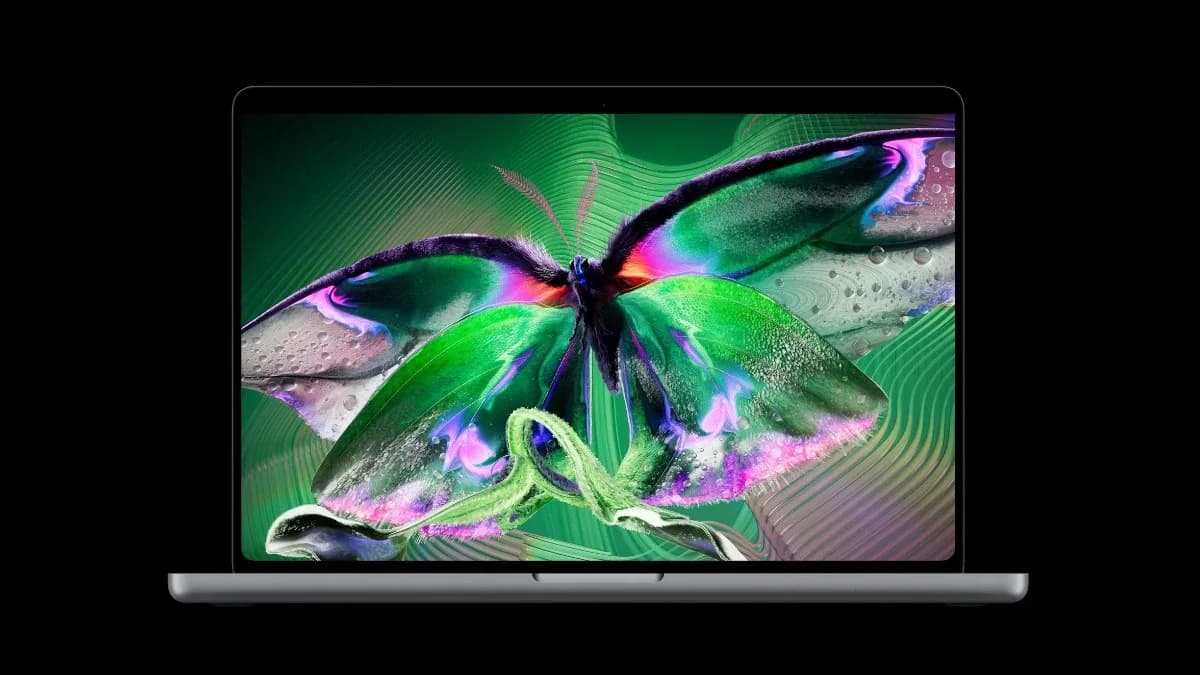
Be the first to comment
Join the argument. No password, just your email or a passkey.