Asus shifted its ProArt P16 multimedia laptop to Nvidia's ARM-based RTX Spark silicon, slimming the chassis and upending how the machine delivers its computing power. According to a comparison by Notebookcheck, the 2026 redesign trades top-tier graphical muscle for sustained unplugged performance and stronger processing speeds.
The change marks a sharp technical pivot from last year's build. The 2025 ProArt P16 relied on an AMD processor paired with a 4K tandem OLED screen and heavy-duty dedicated graphics options running up to the GeForce RTX 5080 and RTX 5090. In contrast, the new revision adopts the Nvidia RTX Spark N1X, a single-package system that merges an ARM CPU with GeForce graphics.
That swap yields immediate gains in raw computation. Notebookcheck reports that the RTX Spark N1X outpaces the previous AMD chip on pure CPU tasks. Its unified memory architecture also delivers real utility for local artificial intelligence workflows running parallel to production tasks.
Mobility sees the biggest practical upgrade. Traditional gaming and creative laptops drop their performance drastically the moment they disconnect from the wall, which was a clear drawback on the 2025 model. The RTX Spark processor changes that dynamic by running at full tilt on battery power. Creative professionals working away from a desk get identical speeds without hunting for an outlet.
The Graphics Tradeoff
That unplugged freedom comes with a substantial ceiling on raw graphics speed. While the 2025 P16 offered an RTX 5090, the graphic component inside the RTX Spark N1X only matches a GeForce RTX 5070. High-end 3D rendering and demanding gaming setups will see distinctly lower framerates and longer export times on the newer chassis compared to the flagship 2025 variant. Heavy graphics workloads clearly remain the domain of the older hardware.
Software support forms another dividing line. The switch to an ARM architecture requires buyers to audit their workflows before upgrading. Compatibility across Windows has made steady progress over the last two years, but specialized industry tools and older PC games can still run into translation stumbles or outright refusals to launch.
Pricing between both generations remains closely matched, according to Notebookcheck. That leaves buyers with a direct fork in the road rather than an obvious upgrade path. Anyone requiring the highest possible rasterization power or running massive 3D rendering pipelines will still find the 2025 version with its RTX 5090 far more capable. On the other hand, creators who need full rendering speeds while away from a wall socket have a compelling argument to pick up the RTX Spark build.
CDFiled by The Computing Desk
Laptops, desktops, processors, graphics cards and the operating systems that run on them.
More from this desk →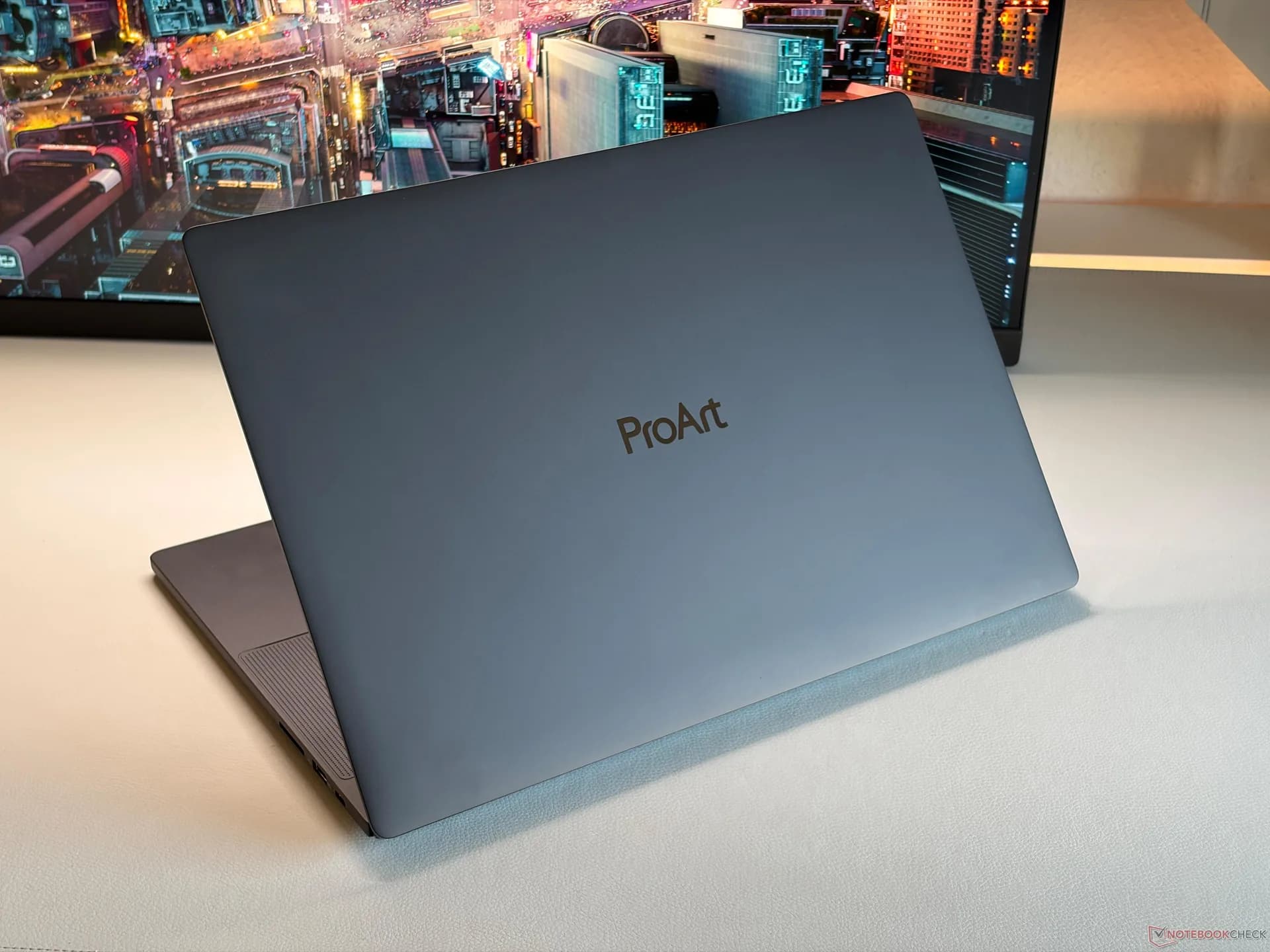

Be the first to comment
Join the argument. No password, just your email or a passkey.