Canon’s Aplio i700 medical ultrasound system — not a new EOS model or RF lens, is now the tool of choice for verifying coral egg development in live specimens. Announced November 4, 2026, the breakthrough comes from Coral Spawning International (CSI), a UK marine science firm, working with Canon to adapt clinical imaging for conservation biology.
No new camera was launched. No sensor was upgraded. But for one narrow, high-stakes application, predicting coral spawning windows without killing the animal, traditional macro photography has been sidelined. Permanently, for now.
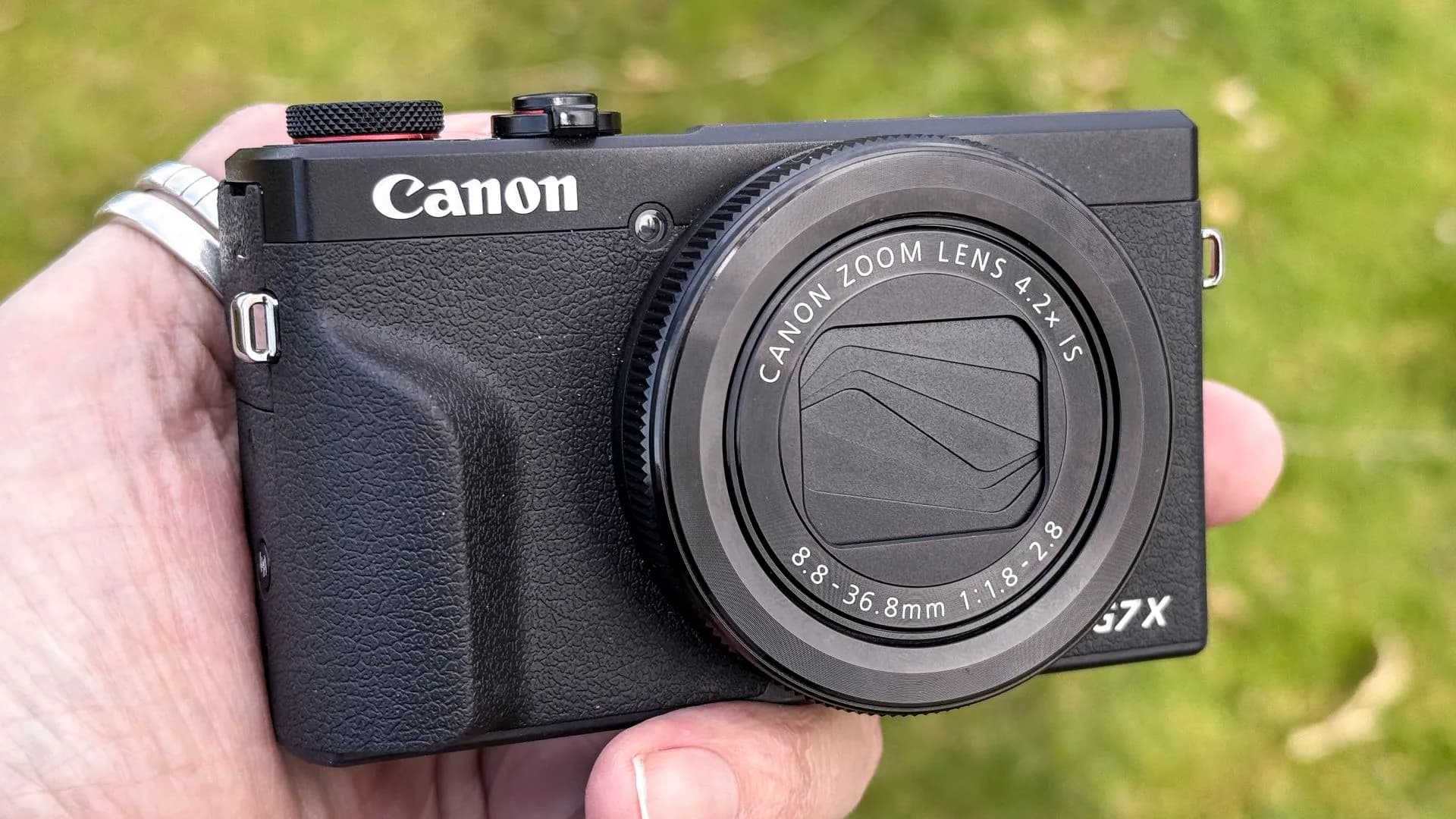
And deliberately so. Until this year, confirming whether a coral was ready to spawn required sacrificing part of it: researchers cut into the skeleton, exposed soft tissue, and photographed gametes using a Canon EOS R5 with an MP-E 65mm macro lens at up to 5x magnification. That process ended with CSI’s validation of the Aplio i700’s ability to image developing eggs in vivo.
Dr Jamie Craggs, CSI co-founder, confirmed accuracy by cross-referencing live ultrasound scans of open brain coral (Trachyphyllia geoffroyi) against those destructive macro images. The match was conclusive. Ultrasound doesn’t replace cameras across coral science. It replaces them only where invasive sampling was previously unavoidable, and only in large polyp stony (LPS) corals.
Their fleshy, low-density tissue allows high-frequency sound waves to penetrate. Small polyp stony (SPS) corals and soft corals remain outside the technique’s reach. So macro lenses, underwater housings, and high-res stills are still critical for documenting colony health, bleaching response, symbiont distribution, and larval settlement, all tasks ultrasound can’t perform.
This isn’t about resolution or megapixels. It’s about ethics, scalability, and longitudinal monitoring. Conservationists can now track the same coral colony across multiple spawning cycles, no dissection, no mortality, no recovery lag. That changes how heat-resilient reefs are bred in controlled environments.
It also shifts Canon’s role: from gear supplier to enabler of non-invasive field diagnostics. The Aplio i700 is a CE-marked medical device sold globally. Pricing and availability follow regional healthcare procurement channels, not consumer electronics retail. No Indian or US MSRP is published for this use case.
CSI plans to deploy the method across its UK and Caribbean breeding labs starting Q1 2027.
GDFiled by The Gadgets Desk
Audio, wearables, cameras, tablets, chargers and every other device worth carrying or plugging in.
More from this desk →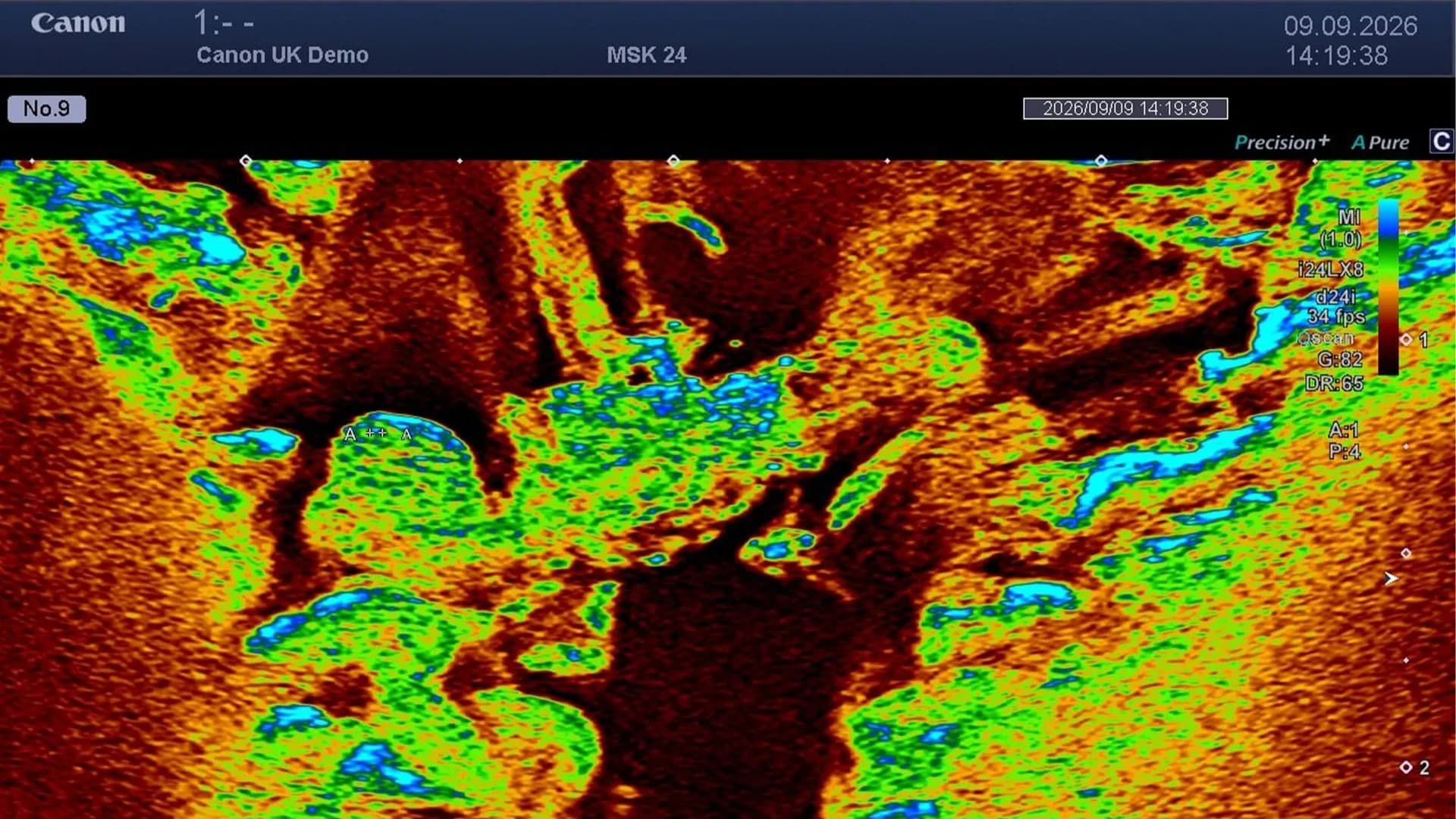
Be the first to comment
Join the argument. No password, just your email or a passkey.