Canon is telling investors it can't build compact cameras fast enough, and the problem is about to get worse.
In third-quarter financial results published October 27, the Japanese camera maker said component shortages will stop it from hitting the production targets it set just one quarter earlier for compact cameras like the PowerShot G7 X Mark III, which has been backordered at retailers for months. Canon had planned to ramp up output in the second half of 2026 to catch up with demand. Now it says that ramp will fall short.
The shortfall comes despite genuinely strong numbers. Canon's compact camera sales grew more than 50 percent in the third quarter alone, a trend the company credits largely to younger buyers rediscovering point-and-shoot cameras. That's the kind of growth most camera makers would kill for, after a decade of the category being written off in favor of smartphones.
Compact demand outpaces supply
Canon isn't alone in facing supply pressure. The company's guidance for the fourth quarter has been trimmed to account for the component crunch, ongoing conflict in the Middle East, and weak consumer spending in China. Even so, Canon still expects the year to close with growth: net sales were up 4 percent through the third quarter, and operating profit climbed 8.4 percent.
Canon says it has already locked in the memory chips it needs for the rest of 2026, at prices in line with its earlier projections, despite a broader AI-driven memory shortage that has pushed component costs up across the electronics industry. The company also says it has built up inventory ahead of the holiday shopping season across its camera and printing businesses, which should cushion some of the compact camera squeeze even if it doesn't solve it.
Full-frame cameras pick up the slack
The picture looks different on the interchangeable lens side. Unit sales there are down compared with last year, which Canon again blames on the Middle East and a sluggish Chinese market, while saying demand elsewhere remains solid. But because buyers are increasingly choosing pricier full-frame bodies over cheaper crop-sensor models, revenue from interchangeable lens cameras is still up 4 percent so far this year, with Canon projecting 8.1 percent growth by year-end.
Canon points to the EOS R6 Mark III and R6 V as the drivers of that shift, and expects the newly announced EOS R8 Mark II to push the mix further toward full-frame. The company is forecasting 2.75 million interchangeable lens camera bodies sold by the end of the year. Add in growth from Canon's network camera business, and the company expects its entire imaging segment to grow 12.9 percent for the year.
What that means for shoppers is straightforward enough: anyone hoping a G7 X Mark III shows up in stock before the holidays may be waiting longer than Canon itself expected three months ago.
GDFiled by The Gadgets Desk
Audio, wearables, cameras, tablets, chargers and every other device worth carrying or plugging in.
More from this desk →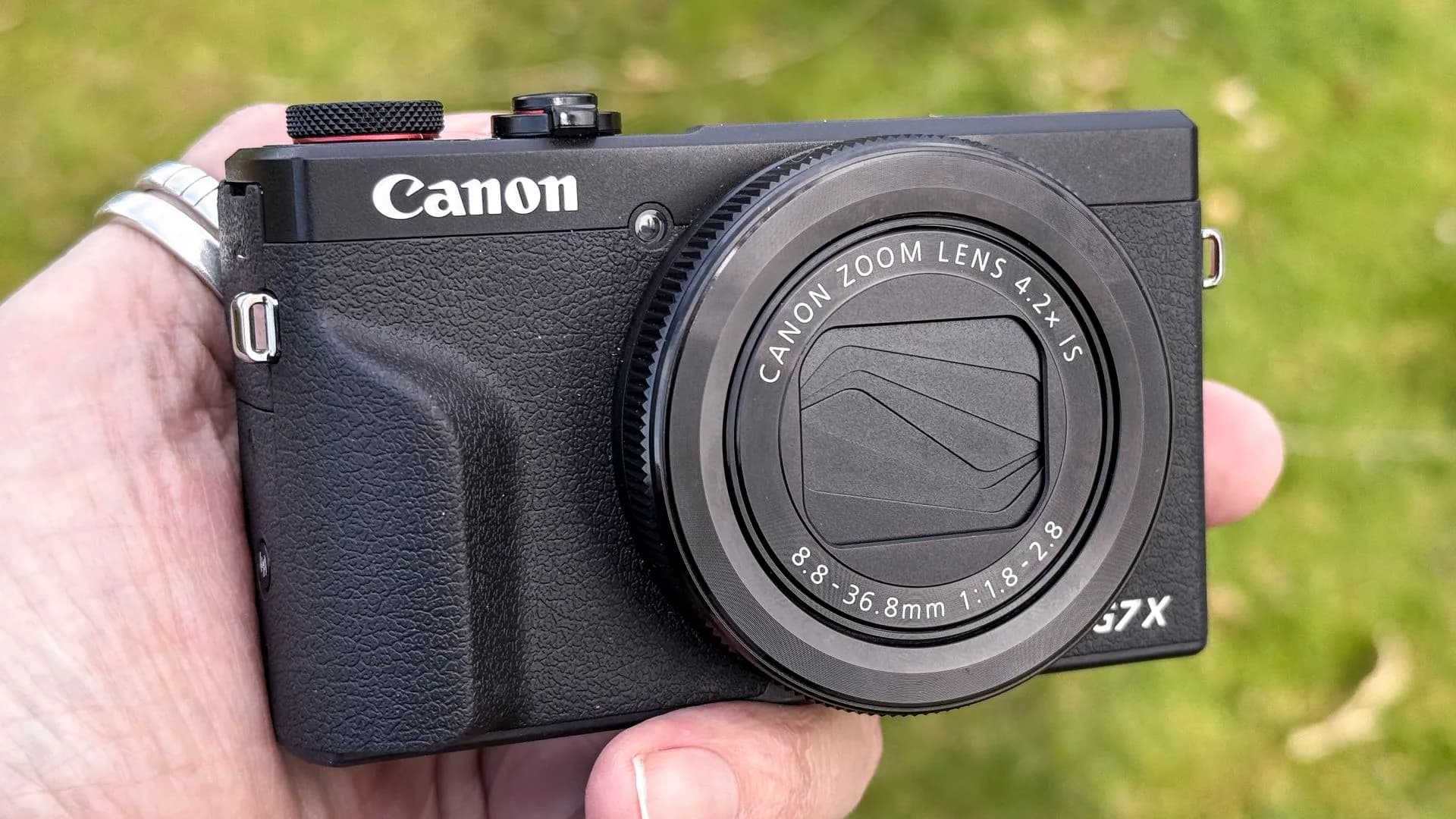



Be the first to comment
Join the argument. No password, just your email or a passkey.