Claude Code helped spot a potential exoplanet — TIC 4206066 b, a candidate world 1.4 times Earth’s size orbiting its star every three days. Pavel Rabtsevich, a space enthusiast and AI user in Belarus, noticed the periodic dimming in NASA’s public TESS data, then used Claude Code to model, test, and validate the transit signal across 74 separate runs. The AI not only confirmed consistency in the light-curve pattern but predicted exact dimming windows, even when fed incomplete data. Rabtsevich submitted the finding to the TESS Science Office, which accepted it for follow-up observation. The telescope is scheduled to reobserve that patch of sky in November 2026. If the observed dimming matches Rabtsevich’s predictions down to timing and depth, formal confirmation by NASA could follow. No peer-reviewed paper has been published. No observatory has yet verified the signal independently. And no planet name has been assigned. Only the provisional designation tied to its host star, TIC 4206066. This isn’t the first time an AI-assisted amateur discovery has entered NASA’s pipeline, but it’s among the first where Claude Code, not a custom-trained model or academic pipeline, was the primary analytical tool. It’s also the first time Claude Code has been cited in a TESS follow-up request. The story isn’t about coding. It’s about access: public data, open telemetry, and an AI tool that lets one person run planetary detection logic without writing a single line of Python. Rabtsevich didn’t build a telescope. He used what was already online. And asked Claude Code to help him read it right.
Claude Code planet discovery
A Belarusian space fan used Claude Code to flag a possible Earth-sized exoplanet. NASA’s TESS telescope will check it in November.
By The Prompt
The AI Desk · (4 hours ago)
Reported from
How this story was made
Written by the Hitechreports desk from the reporting credited above, with facts attributed to their original publishers. We do not test devices ourselves; anything about performance, battery life or cameras comes from the outlets that did. Prices are as reported at the time of writing. Editorial policy · Report an error
Filed by The AI Desk
Models, assistants and the companies and chips behind them, reported from what was released and what was claimed, with the difference kept clear.
More from this desk →Read next
More AI →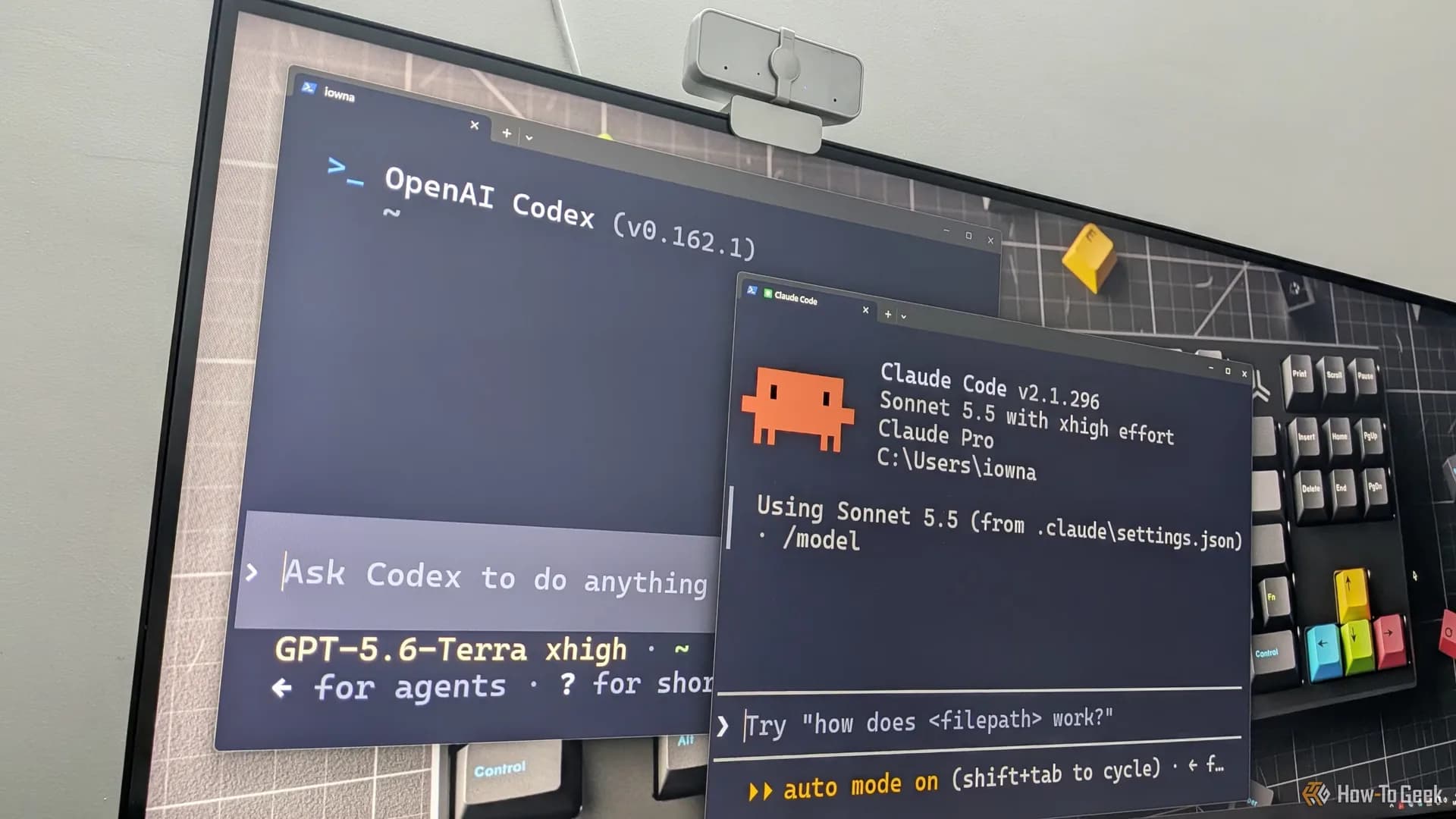
Claude Code Beats Codex CLI on Web Design in Portfolio Test
A comparative test pitting Claude Code against Codex CLI showed Anthropic excelling at visual web layouts while OpenAI delivered faster results and sharper copy.
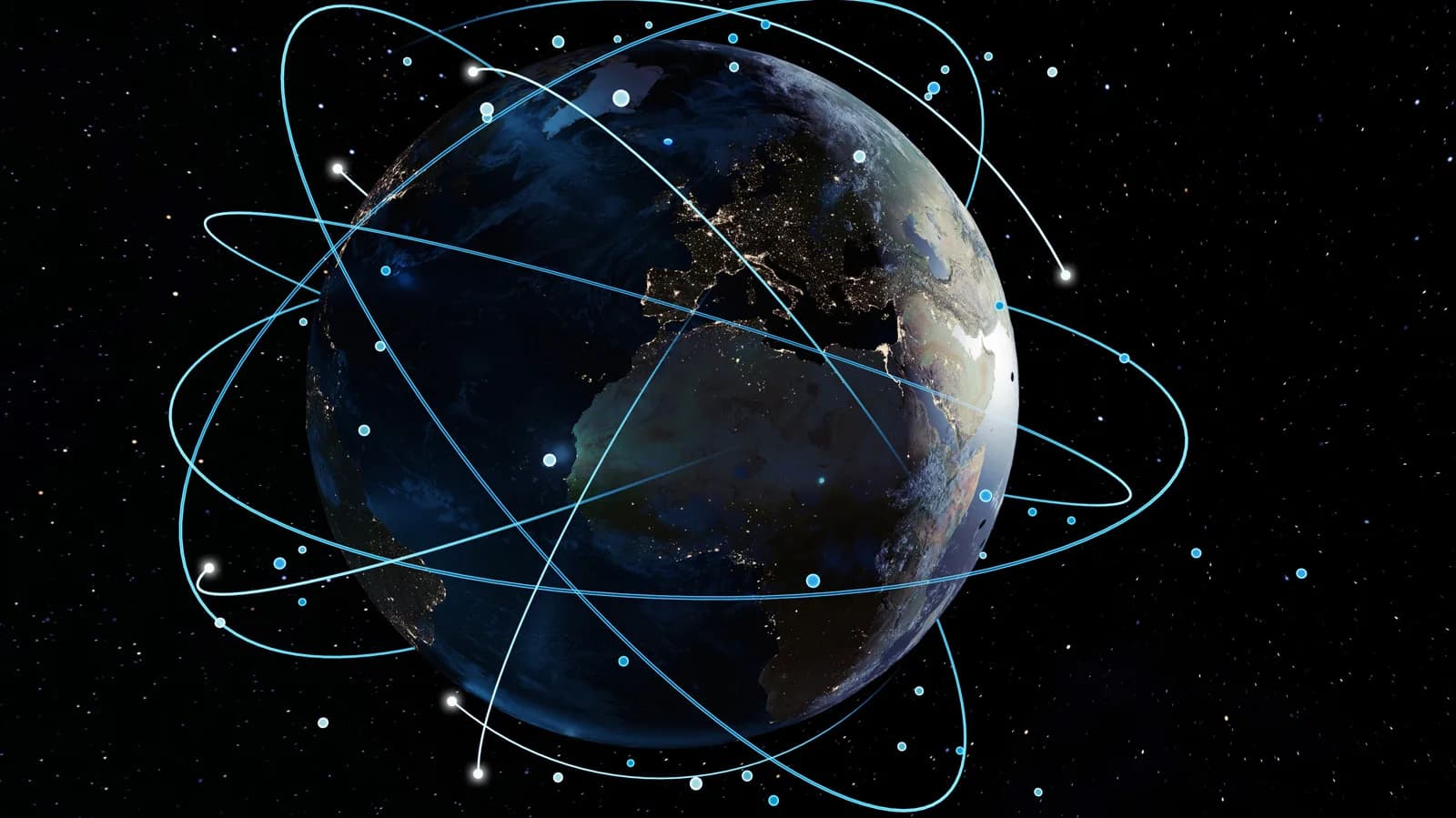
SpaceX Pushes Foreign Rivals to Share Orbit Data as Starlink Satellites Multiply
SpaceX is urging global satellite operators to publish ephemeris flight data after Starlink satellites completed over 355,000 collision avoidance maneuvers across low Earth orbit in a single year.

Claude Code and ARTEX AI Drive Major Cyberattacks Across South Korean Banks
Security researchers found an attacker used Claude Code and the ARTEX penetration testing framework to hit several South Korean banks, exposing credit card records and system credentials.
Be the first to comment
Join the argument. No password, just your email or a passkey.