Timotheus Höttges does not believe SpaceX can easily challenge America's wireless giants. The Deutsche Telekom chief executive brushed off the threat of Starlink Mobile during an investor webcast on Monday, arguing that building a nationwide carrier takes far more than orbital hardware and willing investors.
SpaceX recently unveiled ambitions to turn Starlink Mobile into a fourth major carrier in the United States, going head-to-head with Verizon, AT&T, and Deutsche Telekom subsidiary T-Mobile. The announcement triggered immediate stock declines across all three established carriers. But Höttges was quick to outline the physical gap between launching spacecraft and operating a modern cellular service.
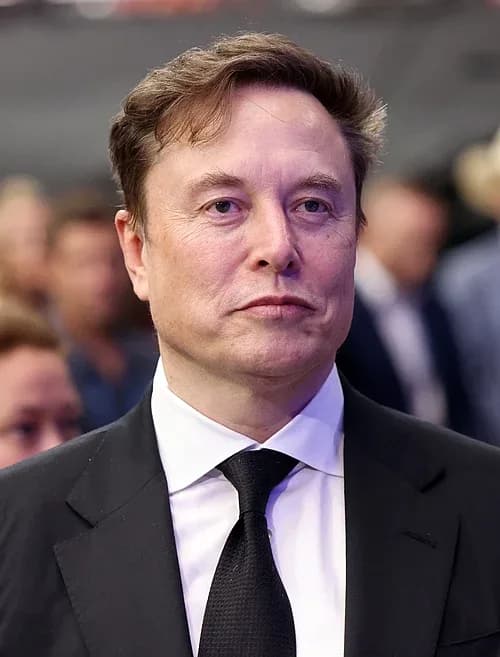
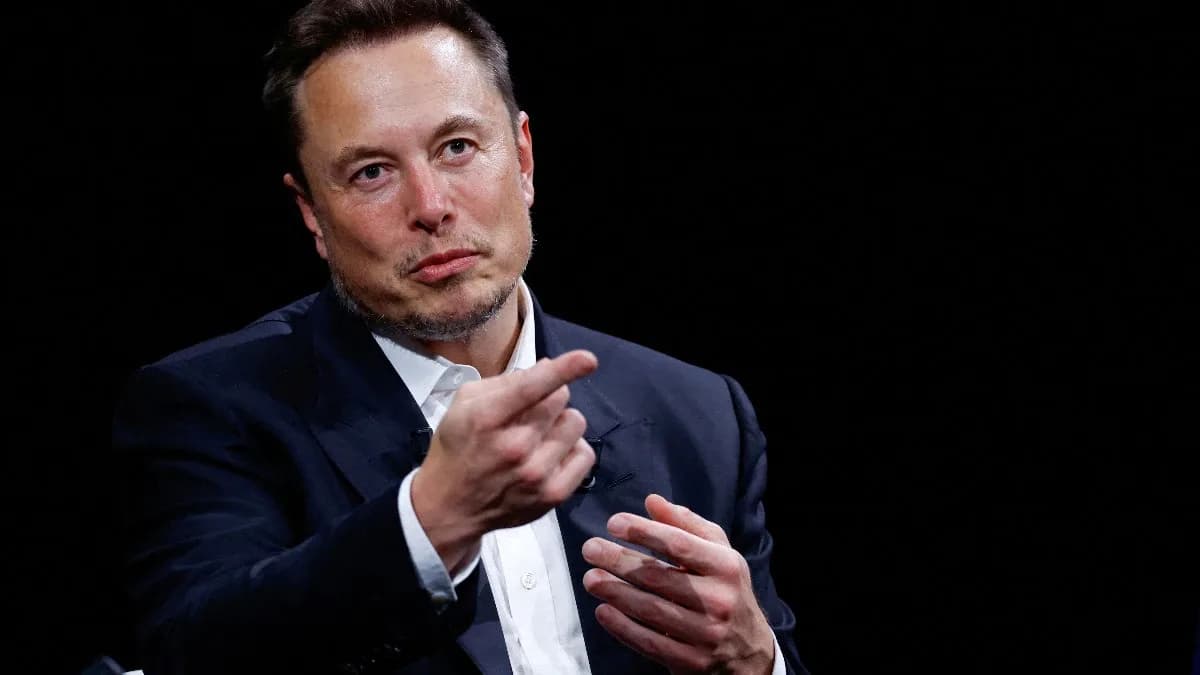
"We have 85,000 mobile antennas in America. [Elon Musk] has to build those first," Höttges said during the webcast, according to a translation. While he called Musk a standout entrepreneur with access to massive capital, he pointed to the operational reality on the ground. "Before he gets there, he still has many, many large number of hurdles to overcome, and will have to spend an enormous amount of money as well."
The Urban Spectrum Bottleneck
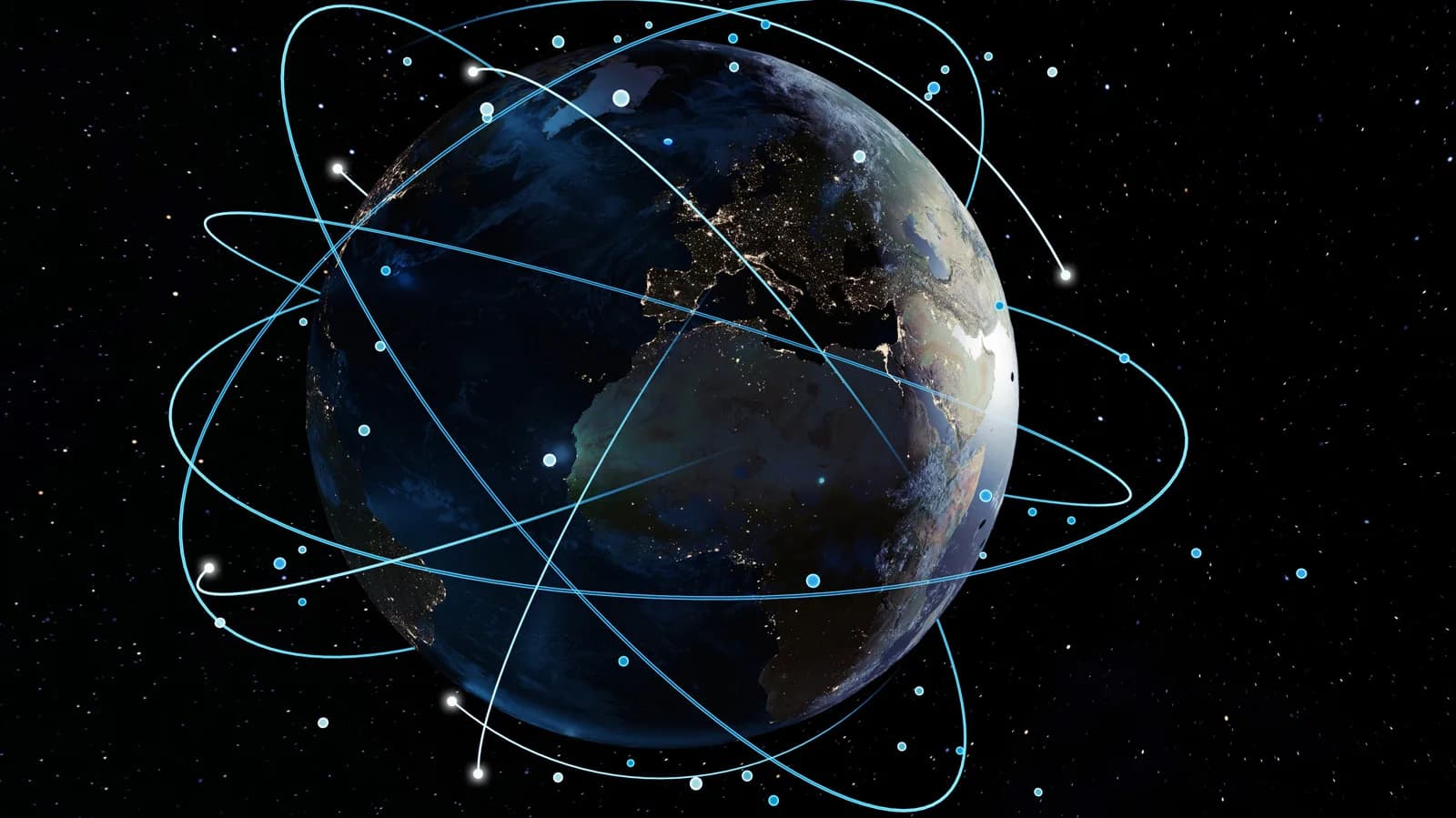
Part of that skepticism centers on raw physics. Orbiting satellites can wipe out coverage dead zones in rural valleys or across open highways. Crowded metro areas are a different story. In cities where millions of devices demand continuous indoor connectivity, relying strictly on satellite frequencies falls flat.
Höttges asked how satellite spectrum alone could possibly handle that volume of urban mobile traffic. SpaceX appears to know this limitation. A recent regulatory application submitted to the Federal Communications Commission revealed plans to acquire wireless spectrum from investment firm Grain Management and erect ground-based cell towers.
T-Mobile technology chief John Saw made a similar point on Friday, noting that matching carrier footprints requires tens of billions of dollars in terrestrial gear and radio licences.
Warning Rivals Against MVNO Deals
Höttges also issued a direct warning to other telecom operators: do not bail SpaceX out with wholesale capacity.
He argued that signing mobile virtual network operator arrangements with SpaceX would merely help a competitor establish low-cost retail plans. Such agreements might increase short-term network utilisation for the host carrier, but Höttges warned they end up cannibalising paying subscribers. "I do not think it would be a good idea to court SpaceX through an MVNO arrangement now," he said.
The tension comes at an awkward moment. T-Mobile was SpaceX's original direct-to-cell partner in the US under its T-Satellite initiative, though the carrier has recently downplayed that arrangement and explored competing satellite vendors. Outside the US, Deutsche Telekom reached an agreement with SpaceX in March to deploy second-generation Starlink cellular coverage for European dead zones starting in 2028.
SpaceX has not backed down from its timeline. President Gwynne Shotwell stated during an August earnings call that Starlink expects to pull substantial customer volume away from legacy carriers once its next-gen constellation begins launching next year with targeted speeds of 150Mbps per user. The FCC continues to review SpaceX's spectrum acquisition filing.
MDFiled by The Mobile Desk
Phones from leak to launch to price cut: what was announced, what it costs where, and when it goes on sale. Indian launches and prices included, not appended.
More from this desk →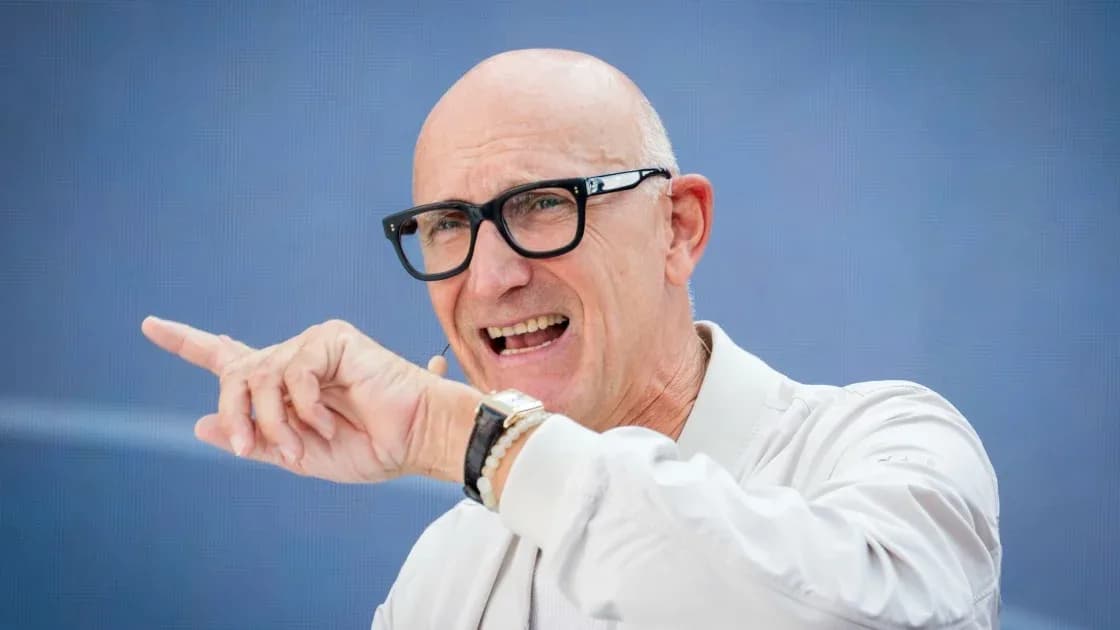
Be the first to comment
Join the argument. No password, just your email or a passkey.