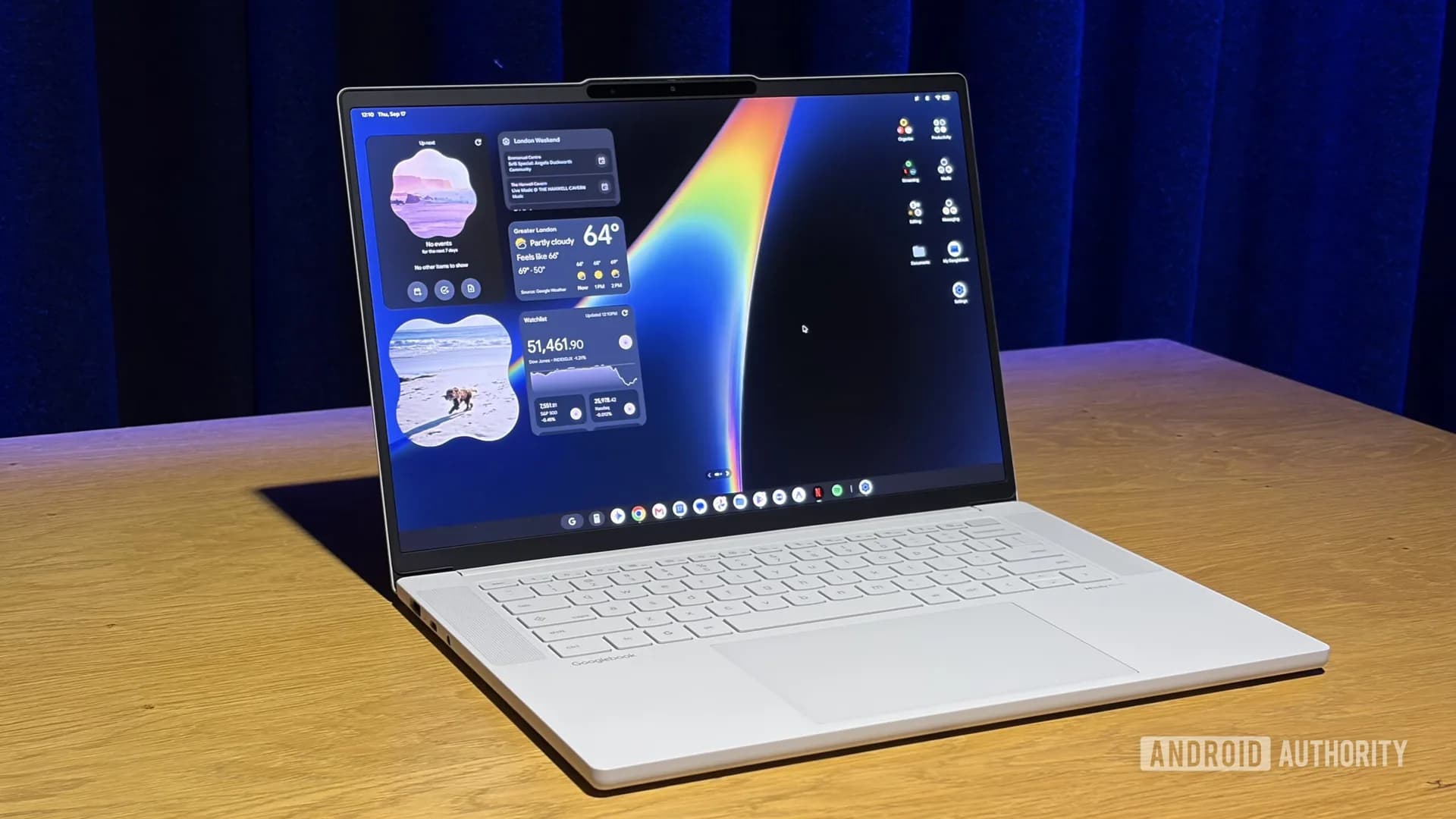
Google's ambition to replace ChromeOS with an Android-derived operating system on desktop hardware is meeting early friction. Across five new partner laptops, initial impressions published by The Verge describe dependable machines from Acer, HP, Lenovo, and Dell running into software that behaves too much like a phone stretched onto a clamshell.
Hardware was not the issue for the reviewers. Antonio G. Di Benedetto, who spent time across the HP Googlebook 14, Lenovo Googlebook 15, and Acer Googlebook 14, praised the physical builds but noted that Googlebook OS creates headaches in daily tasks. The system ports over familiar Android design patterns that feel strange on a laptop, including an all-encompassing button to clear every running task at once in the overview screen and dedicated physical navigation keys built into keyboards.
Basic mouse and keyboard interactions struggle with mobile app quirks. Di Benedetto pointed out that clicking and dragging inside the Signal Android client scrolls the chat history instead of selecting text, while sending a line requires hitting control and enter. Standard web apps run into roadblocks too, with Slack's progressive web app failing to install cleanly during his time with the hardware.
Streaming and productivity software highlight similar gaps. David Pierce evaluated the Dell XPS Googlebook and reported that media services like Netflix default to full-screen tablet presentations rather than standard desktop windows. Revealing window controls requires hovering over the top border, and resizing active panes causes content to vanish until the cursor stops moving. Keyboards also feel like an afterthought in several mobile ports, with basic expected conveniences like tapping the spacebar to pause video failing to register.
Reviewers also encountered persistent limits inherited from Google's earlier platform experiments. Profiles in Chrome cannot be toggled across separate Google accounts, and mobile browser variants continue to limit desktop functionality. A built-in Terminal application lets users configure a Debian virtual container to install full desktop builds of tools like Steam, GIMP, and Slack, but setup hurdles keep that route from serving as a clean consumer workaround.
While Google representatives pitched the transition to an Android foundation as a way to speed up development cycles, early feedback shows that mobile app developers still treat laptop displays as oversized tablets. For now, the hardware partner rollout has arrived ahead of the desktop software polish required to rival traditional PC ecosystems.
RRFiled by The Reviews Roundup Desk
What the reviews are saying: verdicts on new devices from the outlets that tested them, summarised and credited to each. This desk does not test products itself.
More from this desk →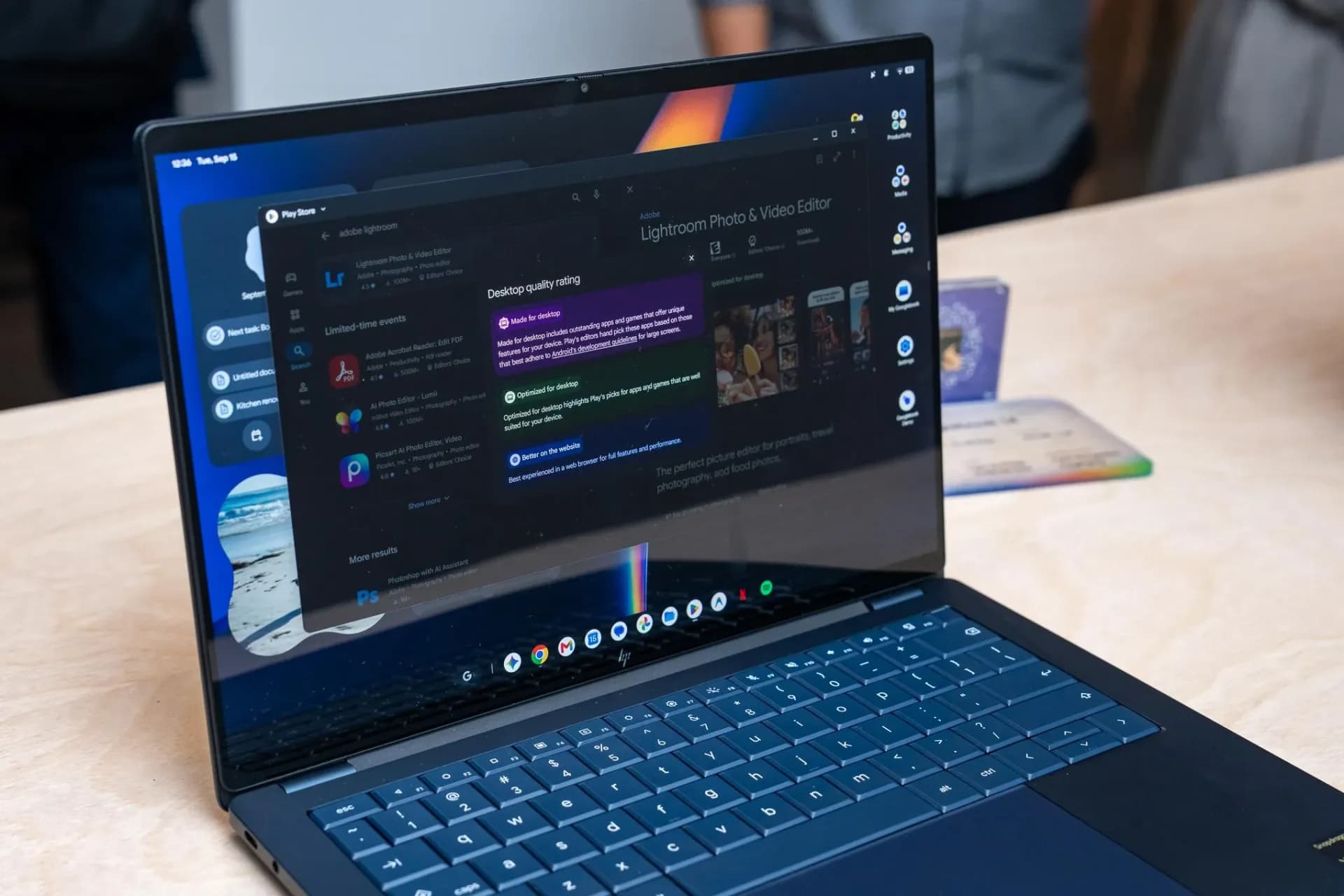
Be the first to comment
Join the argument. No password, just your email or a passkey.