Google Fitbit Air is not waterproof — no device in its class is. It’s water-resistant, rated IP68 for dust and water ingress, and separately certified to 5 ATM, meaning it can withstand pressure equivalent to 50 meters underwater. That’s enough for swimming laps in a pool or ocean, but not for hot tubs, saunas or showers. Google says so outright: heat, steam and soap degrade seals over time. So does perfume, lotion, insect repellent and high-velocity water like from a power washer or strong shower jet. Even a drop can warp the frame or loosen adhesives meant to keep moisture out. And while the device tracks swim workouts and survives sweat and rain, its water resistance isn’t permanent. It wears down with use and exposure. Engadget reports that the Air’s rating allows up to one hour of continuous immersion beyond 1 meter (3.2 feet), which aligns with typical IP68 benchmarks. But that doesn’t mean it’s built for diving, or even daily submersion in warm, chemically treated water. The distinction between ‘water-resistant’ and ‘waterproof’ isn’t marketing fluff. It’s legal caution: brands avoid ‘waterproof’ because courts have held them liable when devices failed after pool use. Apple, Samsung and others stick to ‘water-resistant’ for exactly that reason. Even on watches rated to 100 meters. The Fitbit Air joins that camp. Its appeal lies elsewhere: no subscription fee, 7-day battery life, lightweight design and swim tracking. But if you’re searching ‘Fitbit Air waterproof’ or ‘Fitbit Air battery life’, the answer isn’t buried in specs, it’s in usage limits. Dry the band after swimming. Skip the soap. And don’t mistake ‘rated for 50 meters’ with ‘safe for your bath.’
Google States Fitbit Air Is Rated for Swimming but Not Showers
It handles laps. It does not handle lather.
By Battery Life
The Gadgets Desk · (2 hours ago)

Reported from
How this story was made
Written by the Hitechreports desk from the reporting credited above, with facts attributed to their original publishers. We do not test devices ourselves; anything about performance, battery life or cameras comes from the outlets that did. Prices are as reported at the time of writing. Editorial policy · Report an error
Filed by The Gadgets Desk
Audio, wearables, cameras, tablets, chargers and every other device worth carrying or plugging in.
More from this desk →Read next
More Wearables →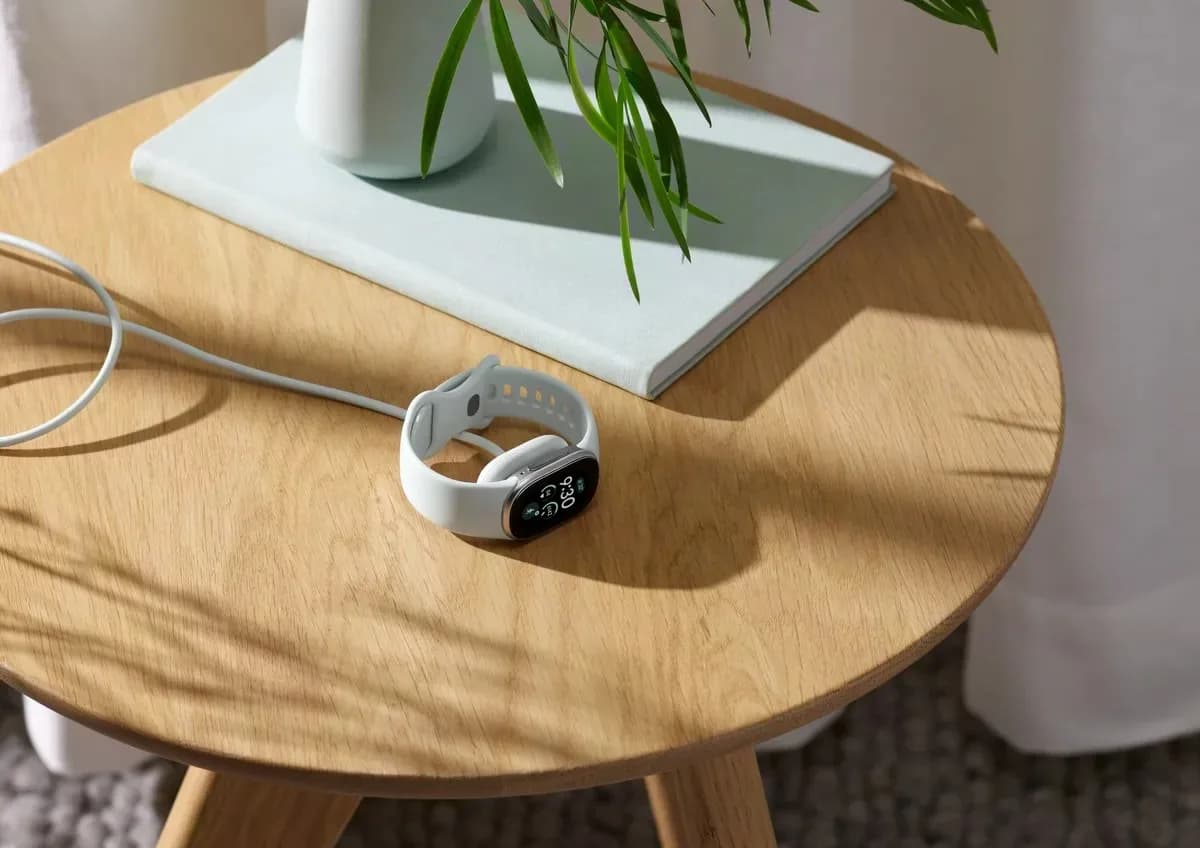
Fitbit Edge vs Pixel Watch 5: Price, specs, battery, release date
Google’s Fitbit Edge is a $179.99 wearable with OLED display, 7-day battery, Fitbit OS, and Health Guardian — but no Watch Face Generator. Ships October 27.
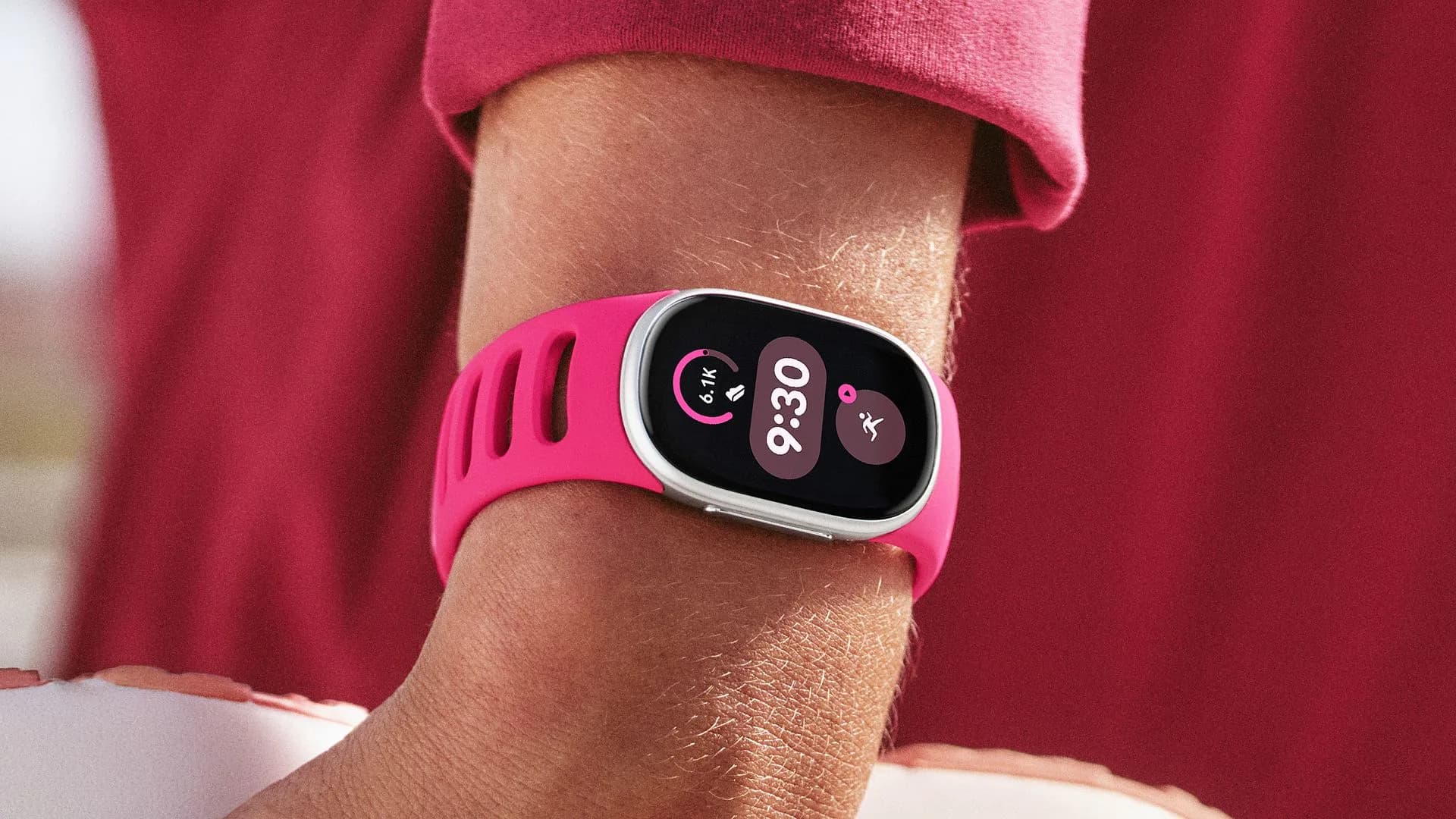
Fitbit Edge vs Charge 6 and Fitbit Air: $179 tracker lands with GPS, no NFC, and a new price tier
The Fitbit Edge launches at $179 in the US and Rs 14,999 in India. It adds onboard GPS and a 1.34-inch AMOLED screen over the Fitbit Air, but drops NFC — unlike the 2023 Charge 6. It ships globally starting October 22.
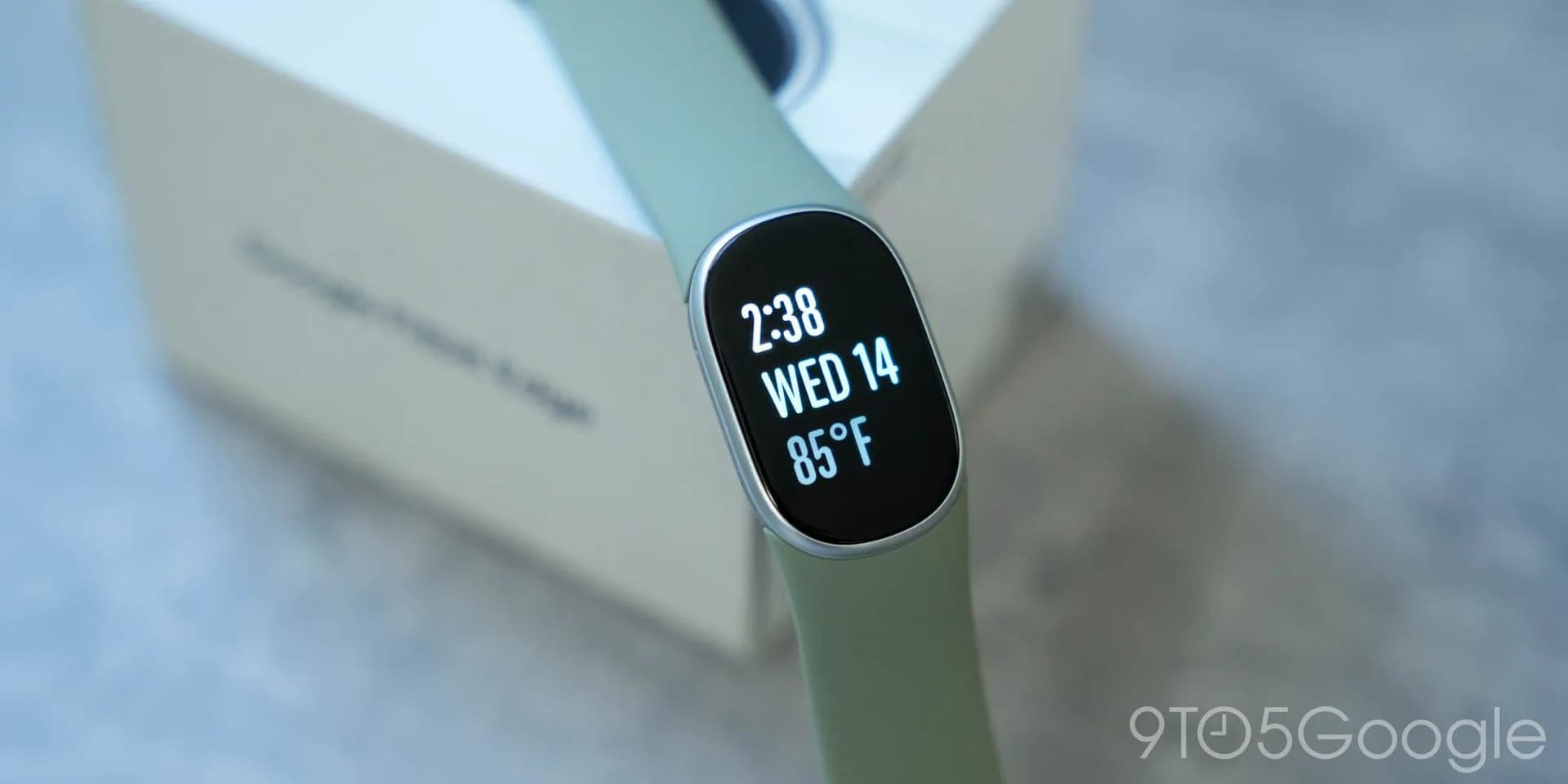
Google Opens Fitbit Edge Preorders Ahead of October 27 Launch
Google has opened preorders for the Fitbit Edge, featuring a larger screen and built-in GPS before its October 27 release, though the band omits Google Wallet support found on earlier hardware.
Be the first to comment
Join the argument. No password, just your email or a passkey.