Apple's iPhone 18 Pro may light up past 3,000 cd/m², but its screen is flickering slower than before.
Lab measurements published by Notebookcheck show the OLED panel on the iPhone 18 Pro dropped to a base pulse-width modulation rate of just 60Hz. That base rate represents a downgrade from its direct predecessor. For people sensitive to display flicker, that low frequency can trigger eye strain, headaches, and burning sensations during extended viewing sessions.
Pulse-width modulation, or PWM, rapidly cycles an OLED panel on and off to control perceived screen brightness. The lower the frequency, the more noticeable that rapid pulse is to the human nervous system, even when someone cannot consciously perceive the strobe effect.
While Apple matches last year's screen performance with a peak output exceeding 3,000 cd/m², its dimming tech falls behind competing flagship hardware. The iPhone 18 Pro caps its PWM dimming frequency at 480Hz.
Major Android phones take a very different approach. Both the Google Pixel 10 Pro and Samsung's Galaxy S26 Ultra operate at a 240Hz base frequency, which is four times faster than the iPhone 18 Pro before applying high-frequency smoothing. Samsung's Galaxy S26 Ultra sells for $1,100 on Amazon in the United States.
Other brands push dimming frequencies far higher to protect sensitive eyes. Hardware from Oppo features high-frequency PWM dimming running at 2,160Hz. Xiaomi and Honor go even further, pushing their display dimming cycles to roughly 4,000Hz.
Apple does hold one technical defense in the flicker equation: modulation depth. Notebookcheck measured the iPhone 18 Pro with a PWM amplitude of 12 percent. Amplitude tracks the percentage drop in luminance during each off cycle. A shallow 12 percent drop means the screen dims far less between pulses than aggressive on-and-off cycling would cause.
Even with that shallow drop, buyers who suffer from screen fatigue or light sensitivity may want to test the panel in person before upgrading. Android manufacturers continue to treat visual comfort as a primary hardware spec, while Apple's latest Pro flagship steps in the opposite direction.
MDFiled by The Mobile Desk
Phones from leak to launch to price cut: what was announced, what it costs where, and when it goes on sale. Indian launches and prices included, not appended.
More from this desk →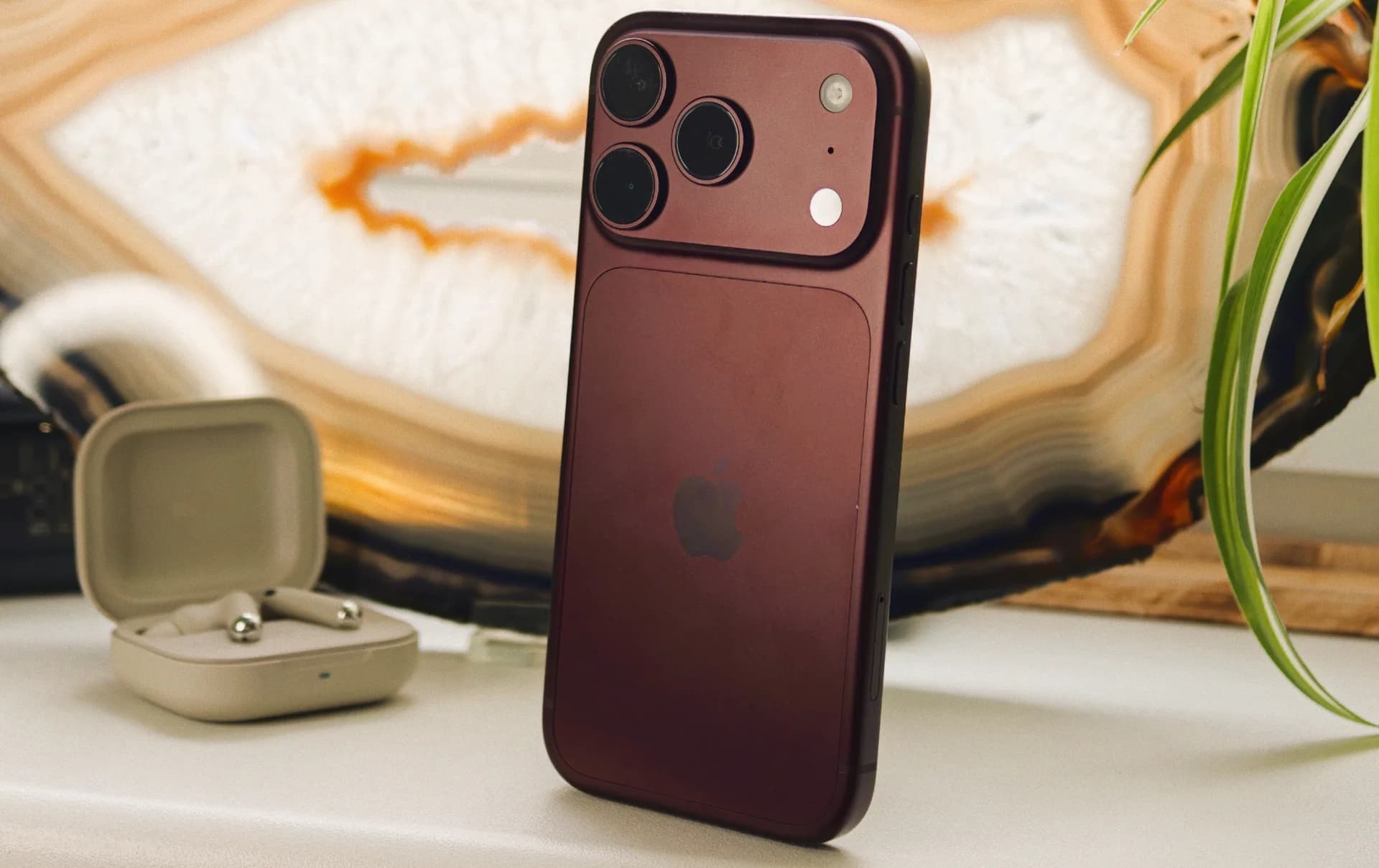
Be the first to comment
Join the argument. No password, just your email or a passkey.