Qwen 3.5 9B ran a UK home’s heating for four days — and lost to Nest and Ecobee on adaptability, not ambition. The experiment wasn’t about replacing smart thermostats. It was about testing whether a local LLM could respond to real-life schedule shifts, like kids off school, in ways that closed-loop systems like Nest and Ecobee can’t. It couldn’t. Not yet.
Not on consumer hardware. But the gap isn’t theoretical. It’s measurable: 74% decision accuracy, two-to-five-minute inference time, and three outright failures across 96 scheduled checks. All on a Dell OptiPlex with 16GB RAM running Ollama.
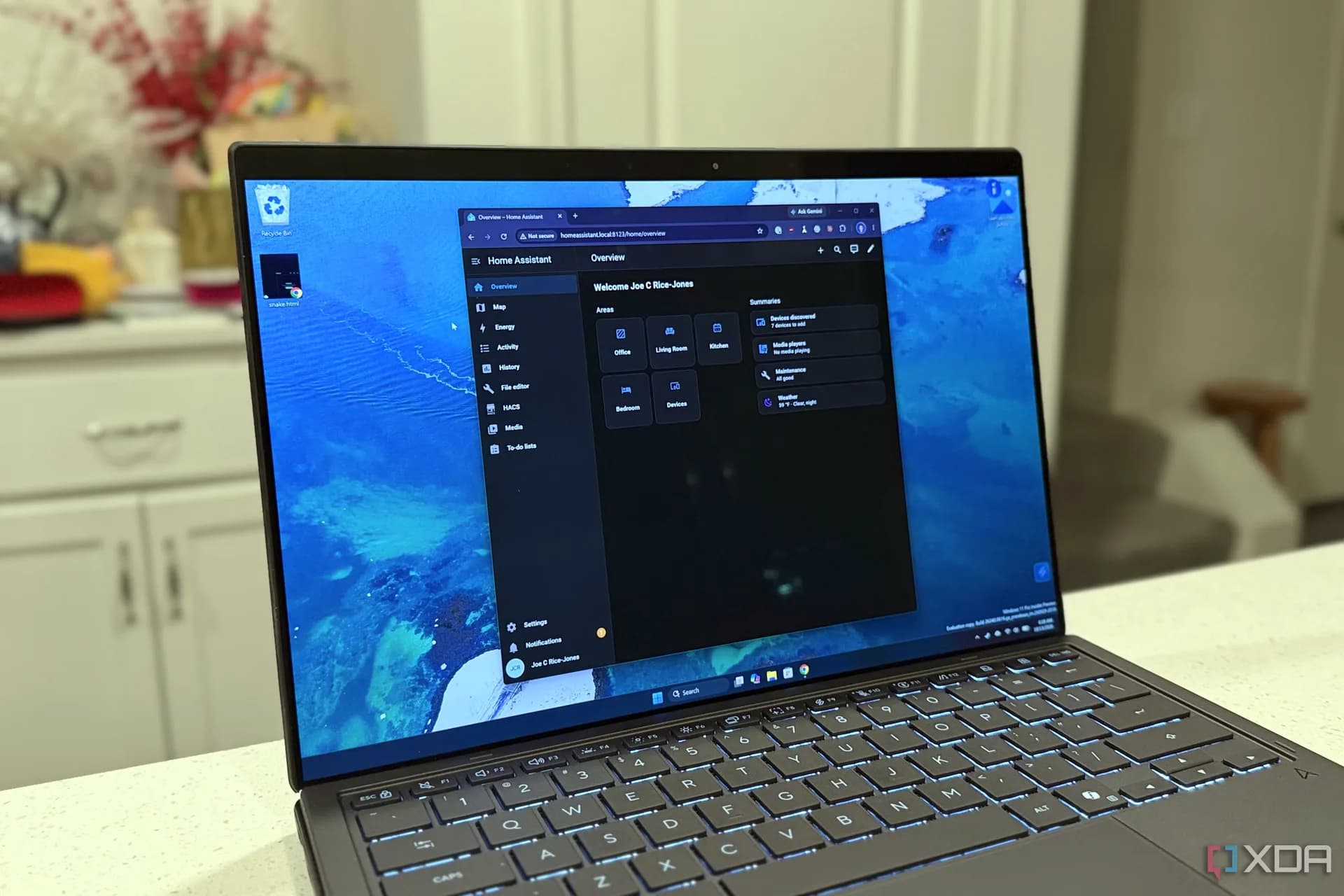
No cloud. No API. Just a prompt, sensor data from Home Assistant, and Tado hardware executing commands. That’s the setup, and the ceiling, for now.
The LLM correctly interpreted humidity risks and pre-heated rooms within expected warm-up windows. It misread presence signals (a stale Bluetooth proxy said “Home”), forgot its own prior decisions, and overrode sensible logic when given new context, like warming the wrong bedroom while told the kids would be playing Nintendo in the other.
Energy use edged up slightly versus baseline, but not catastrophically. The bottleneck wasn’t the interface or the integration. It was reasoning fidelity under variable, noisy, real-world inputs. Larger models, Granite 4 7B, Nemotron 3 Nano 4B, scored worse.
Qwen 3.5 9B was the best local performer available. And it still couldn’t reliably answer the question every thermostat user asks silently, daily: Who’s where, and what do they need right now? The next test won’t be full control. It’ll be selective override, nudging preset schedules only when prompted. That’s where the practical path lies.
Not autonomy. Augmentation. Home Assistant users can replicate the setup today. Tado owners in the UK, EU, and Australia already have the hardware stack.
The model is open. The prompt is documented. The limitation isn’t licensing or access. It’s compute, and cognition.
HTFiled by The Home Tech Desk
TVs, home appliances and the smart home: refrigerators, washing machines, air conditioners, purifiers, robot vacuums, the sets on the wall and the platforms that connect them. Launches, prices in the US and India, and what changed.
More from this desk →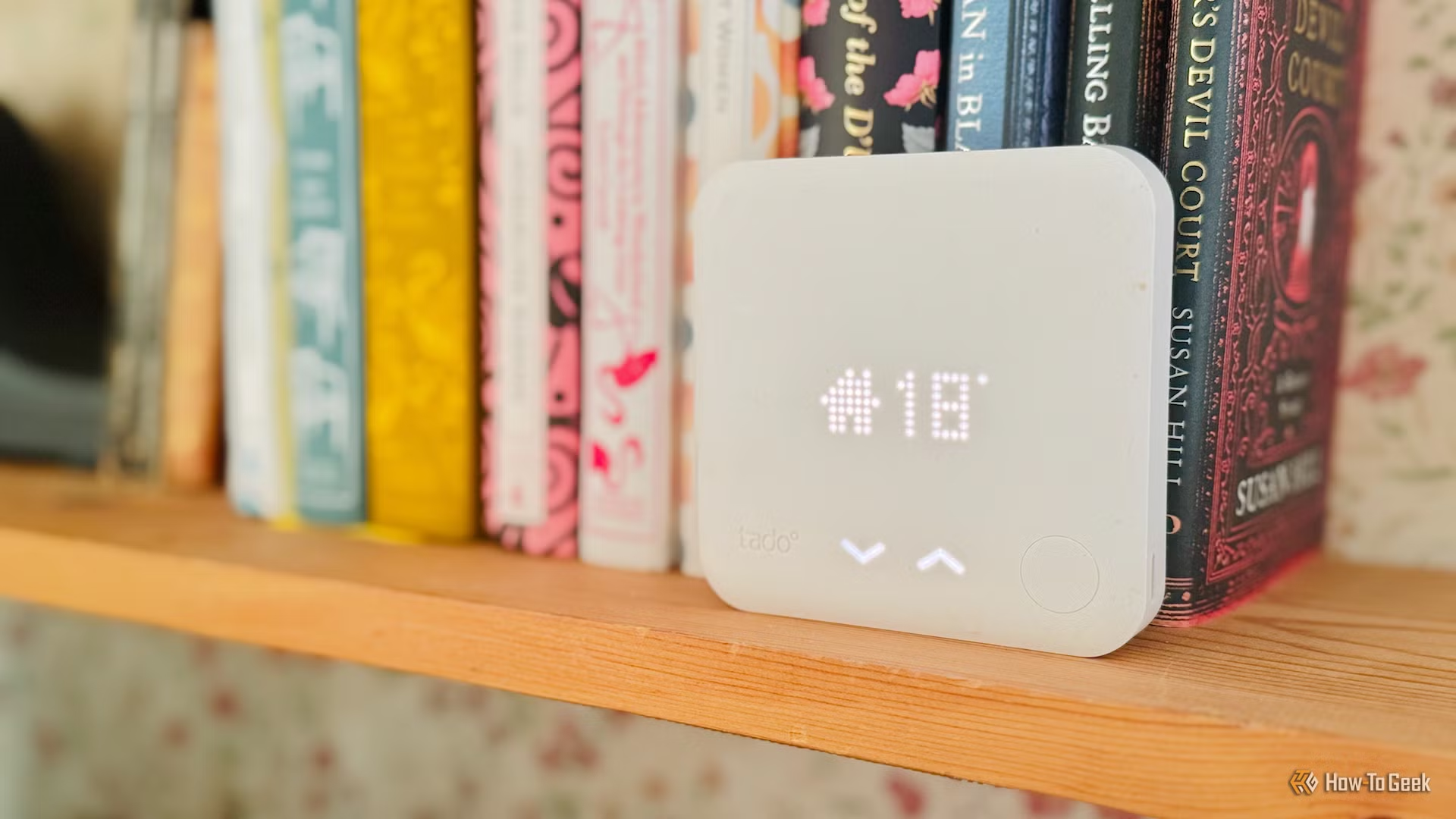
Be the first to comment
Join the argument. No password, just your email or a passkey.