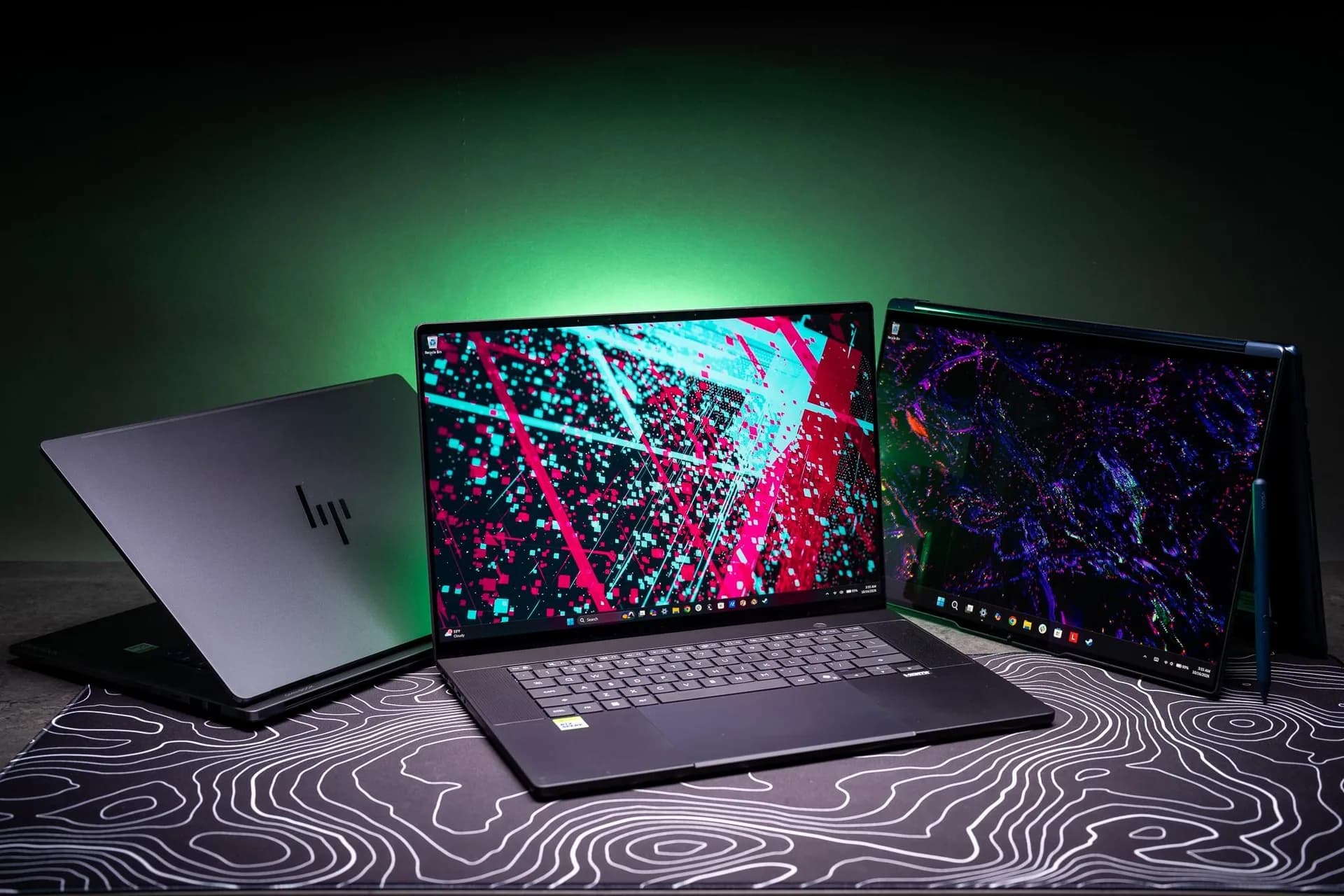
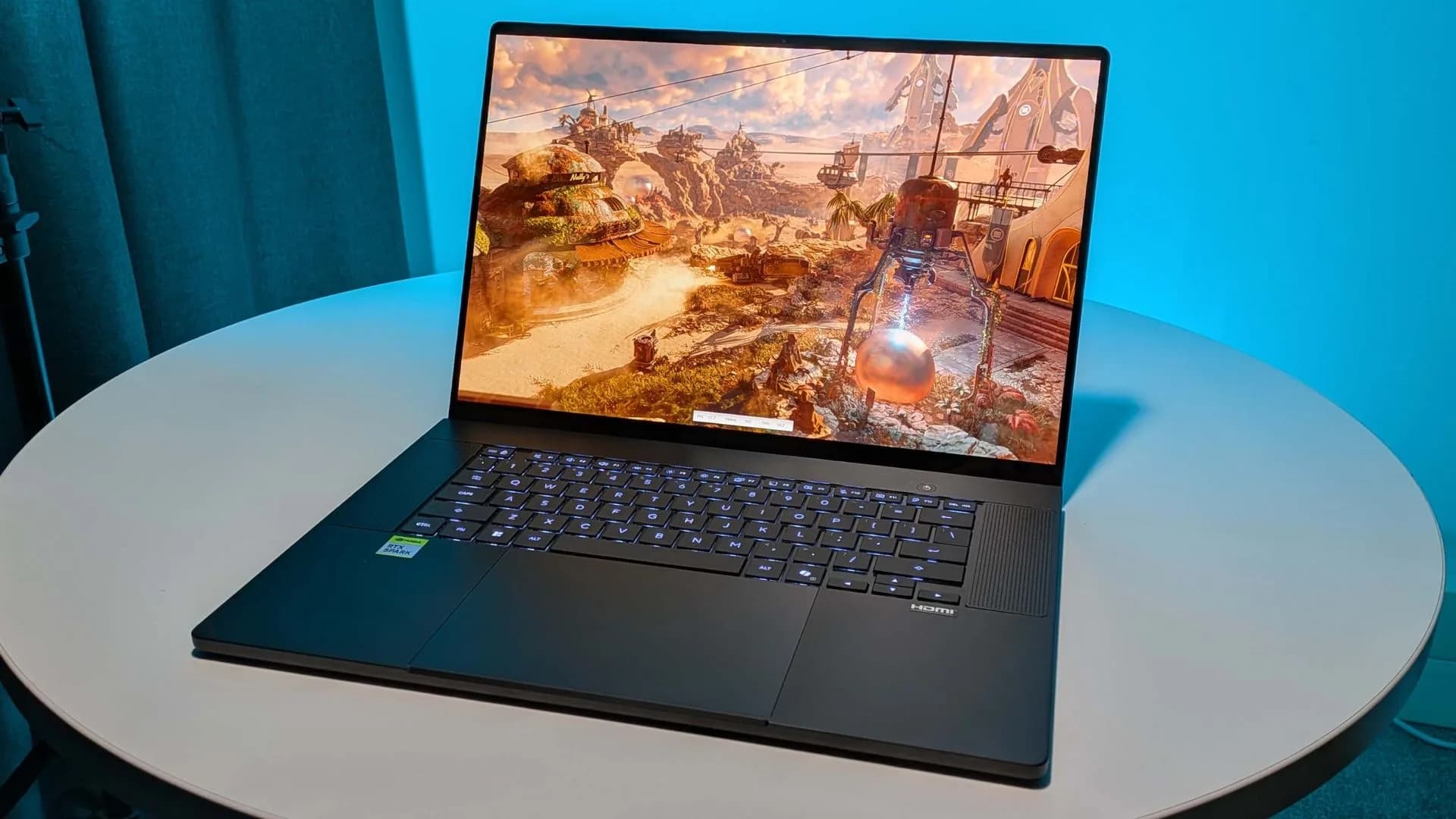
Nvidia’s RTX Spark SoC is real. It’s shipping. And it’s inside the Asus ProArt P16 — the first laptop confirmed to use Nvidia’s first-ever system-on-a-chip, announced in San Francisco earlier this month and now live in hands-on testing by TechRadar. No leaks.
No renders. No certification filings. This is a launched product, not a roadmap slide. The chip is ARM-based.
It integrates an 18-core or 20-core CPU with a Blackwell-architecture RTX GPU, 5,120 or 6,144 CUDA cores, all on one die. That makes it Nvidia’s answer to Apple’s M-series: a unified silicon platform built for AI, creative work and gaming, not just inference offload. The RTX Spark N1X variant tested delivered 2,623 single-core and 21,899 multi-core points on Geekbench 7.1.
That’s behind Apple’s M5 in single-threaded speed (4,288), but ahead in multi-core, by nearly 4,000 points. For developers, data scientists and 3D artists, that gap matters. It signals raw throughput for parallel workloads: compiling code, rendering frames, fine-tuning local LLMs. Its defining feature isn’t raw speed, though.
It’s hybrid agentic AI. The chip lets users split tasks across local and cloud models, run sensitive data parsing on-device with Qwen 3 8B, then offload complex reasoning to a frontier cloud model like GPT-6 Astra or Gemini 4 Argon. No forced binary. No full data egress required.
Benchmarks back it up: MLPerf Client tests using Qwen 3 8B completed data analyst and software engineering workflows in 63.7 and 50.8 seconds, processing over 14,000 tokens in one case. Image generation via ComfyUI with Flux2.Dev NVFP4 models took as little as 16.2 seconds. Real-world use is messier, and more revealing.
One tester trained a Hermes agent on Qwen3.8 27B to analyze CSV data. It returned pivot tables and insights in 12 minutes, no cloud call, no data leak. Another attempt to connect that same agent to Outlook crashed after 75 minutes. But on retry, with human-in-the-loop feedback, it succeeded in 70.
That’s not marketing copy. That’s how agentic AI works today: iterative, prompt-dependent, and deeply tied to the silicon’s local compute headroom. Creative pros get immediate use. The Asus ProArt P16 runs Blender, Adobe Creative Suite, Canva and Unity, all RTX-accelerated.
That GPU isn’t just for AI. It’s for ray-traced viewport previews, real-time denoising in DaVinci Resolve, and physics simulations in Unreal Engine. Price? Not disclosed in either source.
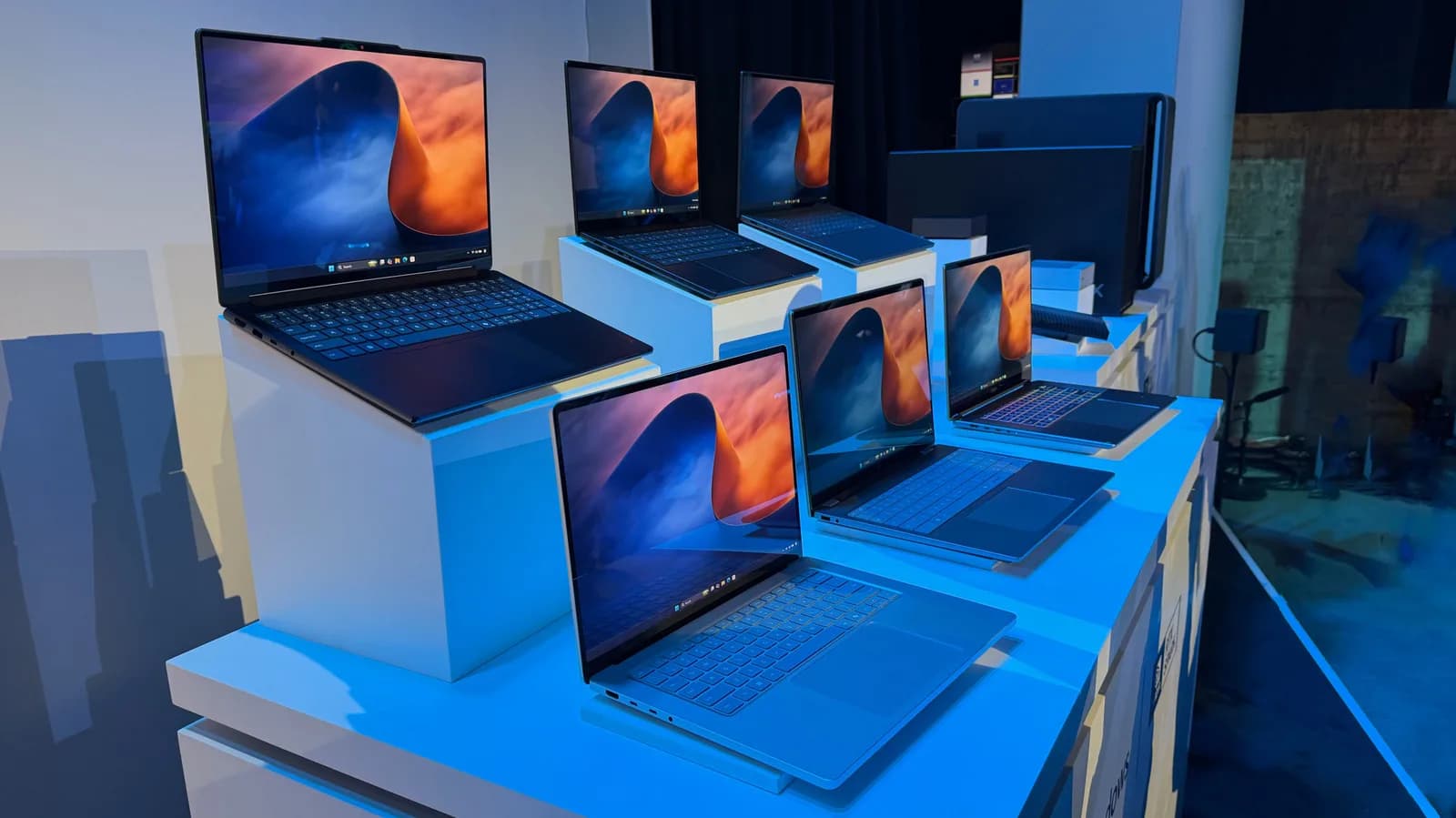
Availability? The Asus ProArt P16 is the only confirmed device, and it’s already in reviewers’ hands. No US or Indian pricing, no launch date beyond “now shipping to press.” But its existence changes the landscape: Nvidia has moved from discrete GPU vendor to SoC architect. And it’s betting that creators won’t choose between security and capability, they’ll demand both, on one chip.
Next: OEM rollouts. Expect more RTX Spark laptops before year-end. Expect them to carry premium price tags. And expect the Nvidia App, the control center for local model management, hybrid routing and GPU-accelerated creative tools, to become the new front door for Windows AI.
CDFiled by The Computing Desk
Laptops, desktops, processors, graphics cards and the operating systems that run on them.
More from this desk →
Be the first to comment
Join the argument. No password, just your email or a passkey.