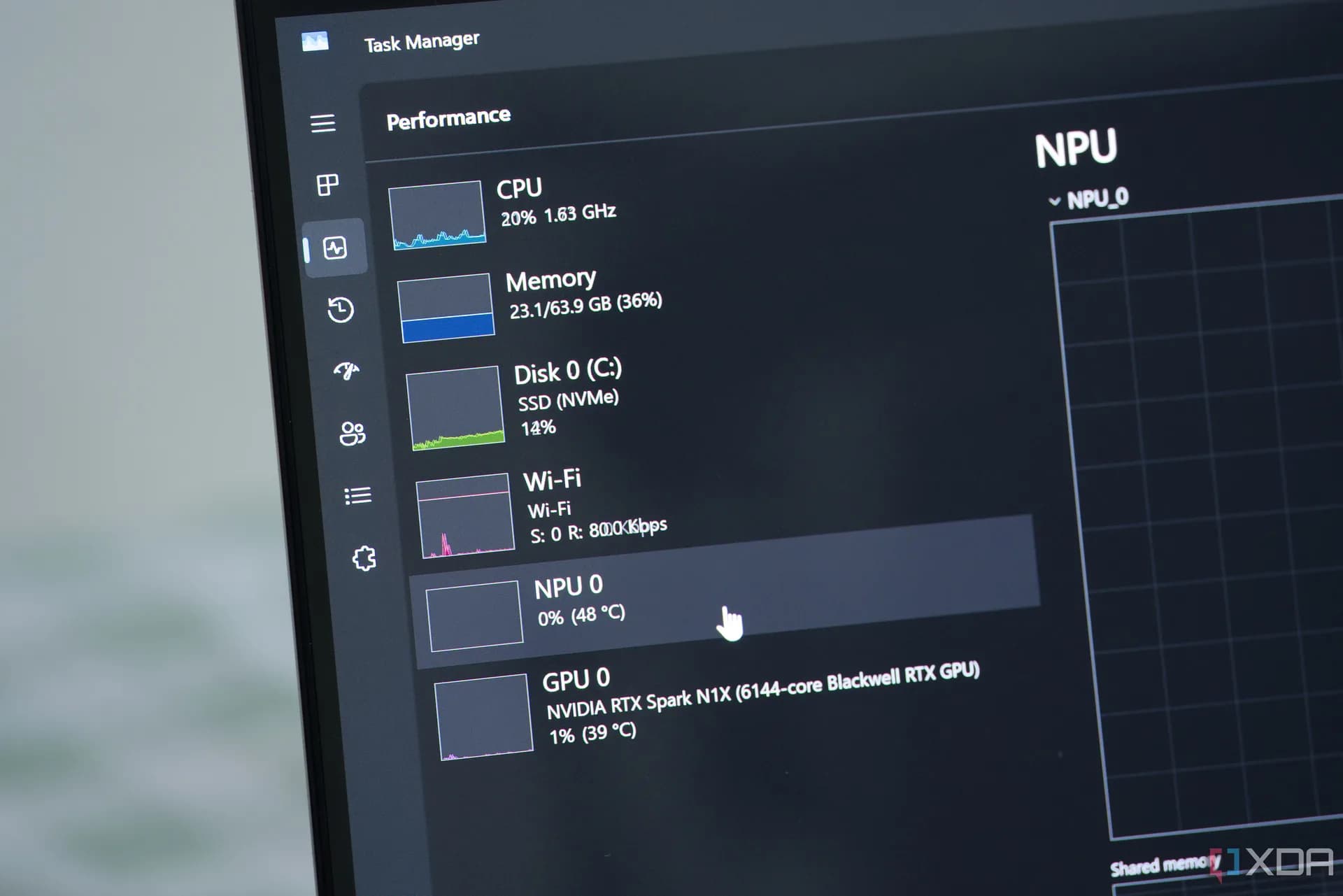
Nvidia's RTX Spark N1X chip beat AMD's Ryzen AI Max+ 395 on nearly every local AI benchmark XDA Developers threw at it, according to a comparison the outlet published Sunday, and the gap was too wide to blame on specs alone.
The test pitted a Lenovo Yoga 9n with the RTX Spark N1X and 64GB of memory, priced at $3,750 as configured, against an Asus ROG Flow Z13 with AMD's Ryzen AI Max+ 395 and 128GB of memory, at $3,300. Both ran Windows 11 with Smart App Control turned on, and both used Ollama 0.40.8 to run identical model files with a 16K context window, three runs per test.
On prompt processing, the Spark read a roughly 9,600-token document 2.1 to 3.5 times faster than the Z13, XDA found. The widest gap came on gpt-oss 20B, where the Spark hit 5,616 tokens per second against 1,589 on the Z13. Text generation favored the Spark too, by 1.4x to 1.6x, and image generation in ComfyUI with identical FLUX.2 Klein 4B files showed the Spark finishing a 1024x1024 image in 25.8 seconds against 66.3 on the Z13.
Unplugged, the difference grew. The Spark held steady at 71.4 tokens per second across eight battery runs, while the Z13 dropped 17% because Asus locks its Turbo power mode on battery, according to the report. Energy use told a similar story: XDA measured 0.28 watt-hours per summary on the Spark against 0.52 on the Z13, despite the Spark pulling slightly more power from the wall while plugged in.
Here's the part that should concern AMD more than any benchmark. Nvidia's RTX Spark porting documentation lists 300GB/s of memory bandwidth against AMD's rated 256GB/s for the Ryzen AI Max+ 395, a modest 1.17x edge that can't explain generation speeds 1.37 to 1.61 times faster. XDA pinned the extra gap on software: CUDA on the Nvidia side against ROCm on AMD's, with PyTorch's ROCm build built to mimic Nvidia's CUDA interfaces so existing code runs with minimal changes. AMD's own Lemonade tool reportedly stumbled during testing when a ROCm backend component failed Windows' signature check.
Memory capacity cuts the other way. OpenAI's gpt-oss 120B model needs roughly 60GB to run, and the Z13's 128GB loaded it whole, generating at 31.7 tokens per second. The 64GB Spark configuration, with CUDA seeing only about 46GB available, couldn't load the model at all, a limit XDA attributes to that specific configuration rather than the chip itself. A 128GB RTX Spark does exist, Nvidia says, at a higher price the outlet did not specify.
That leaves a tradeoff familiar to anyone shopping GPUs lately: the Z13 offers twice the memory for $450 less, while the Spark offers consistently faster results on jobs that fit within its limits. Pricing and configurations for both machines are current as tested, and neither company has commented publicly on the comparison.
CDFiled by The Computing Desk
Laptops, desktops, processors, graphics cards and the operating systems that run on them.
More from this desk →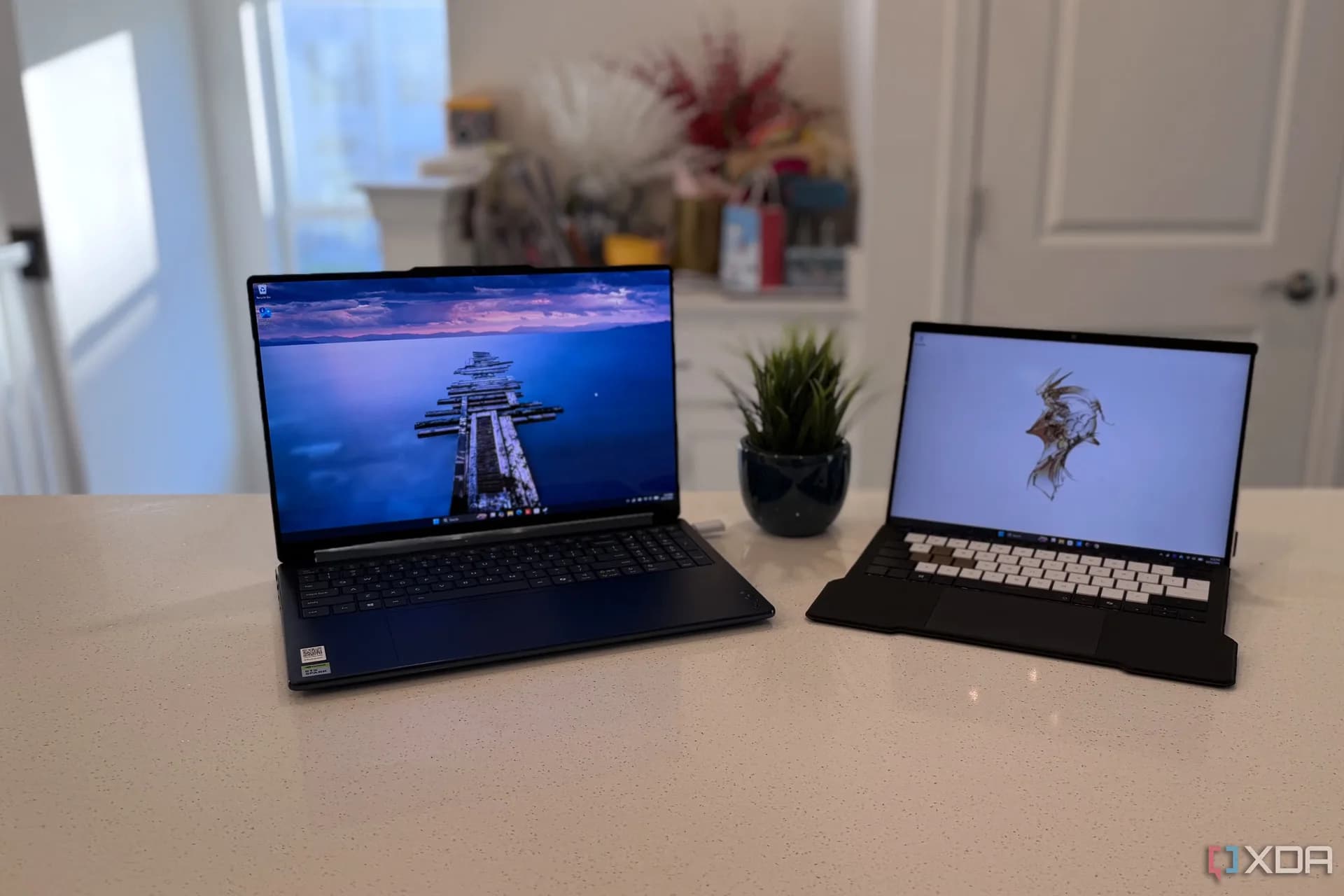
Be the first to comment
Join the argument. No password, just your email or a passkey.