Running a big language model and a game on the same machine usually means a compromise. Most gaming GPUs carry 16GB of VRAM, which is enough for one of those jobs but rarely both without data spilling into slower system memory.
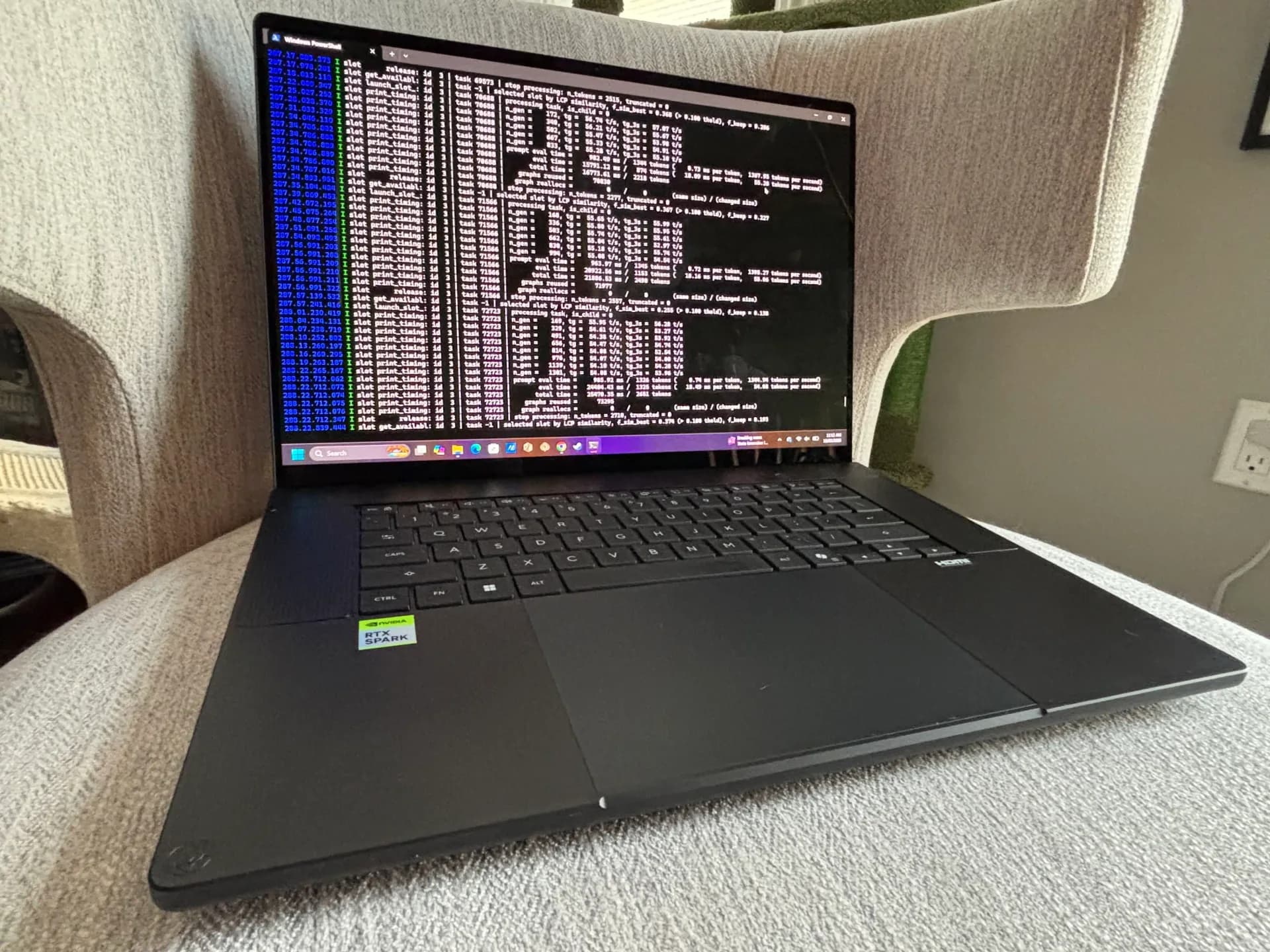
An HP OmniBook Ultra 16 built around Nvidia's RTX Spark chip apparently sidesteps that problem. According to a hands-on account from XDA Developers published October 25, the laptop paired a 20-core Arm CPU with a 6,144-core Blackwell GPU and 128GB of unified memory, enough headroom to run Minecraft and a 125-billion-parameter model called Qwen 3.8 Flash Next at the same time.
The model drove an AI bot inside a Minecraft world opened over LAN, using an open-source project called Mindcraft, which is built on the Mineflayer Node.js library. Mindcraft handles the bot's movement and inventory, while the language model decides what to do next and narrates it in chat. Ask it to fetch ten birch logs, and it fires off a command like!collectBlocks("birch_log", 10) before heading into the trees.
The reporter measured about 46 tokens per second from the model at a short context length, dropping to just under 42 tokens per second at 32,000 tokens, before Minecraft was even launched. Once both were running together, the game reportedly held around 120 FPS for most of the session.
Qwen 3.8 Flash Next is a mixture-of-experts model, meaning only a fraction of its full 125 billion parameters, around 6 billion, is active for any given response. A 51-billion-parameter piece of it is streamed from storage rather than held entirely in memory, which is part of how it fits alongside a running game at all.
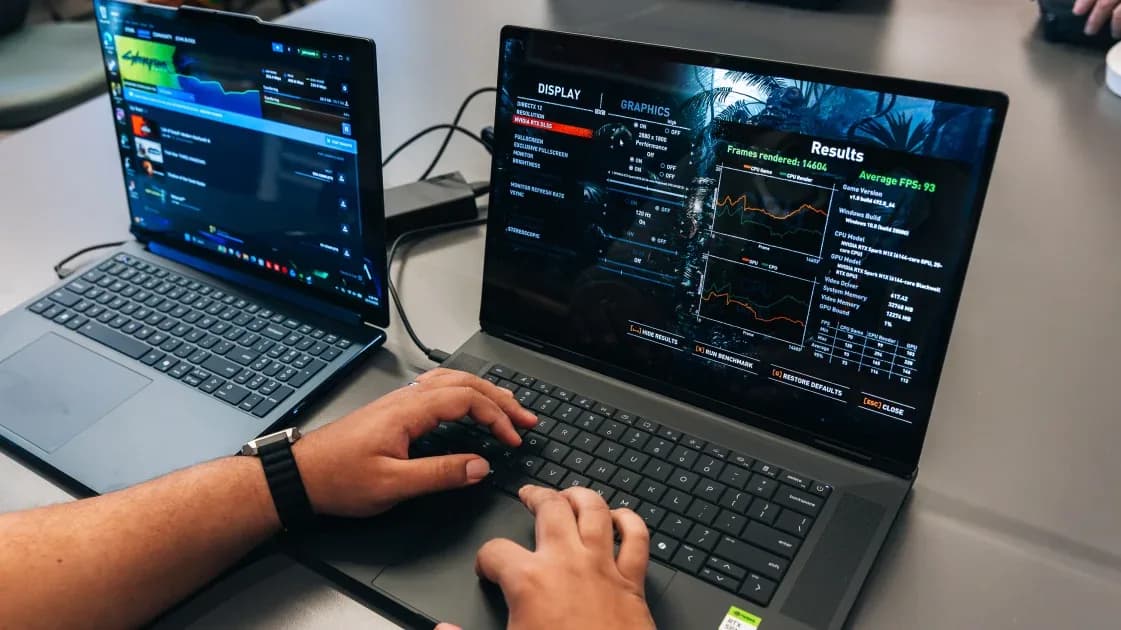
No special GPU scheduling was involved. Nvidia's NVIGI SDK is built for running AI workloads next to games, but its CUDA in Graphics feature isn't yet supported on RTX Spark, so the llama.cpp server and Minecraft were reportedly just sharing GPU resources directly. Minecraft is light enough that this apparently didn't matter much. The same report notes that Cyberpunk 2077 at 1440p on a ThinkStation PGX using the same GB10 silicon struggled more, and would likely fare worse with a 125B model running in parallel.
Minecraft's Arm64 Java build also meant the laptop could run the game natively on Windows on Arm, without needing Microsoft's Prism x86 emulation layer.
The bot itself was reportedly far from flawless. It occasionally promised items it didn't actually have, in one case because it had briefly been in Creative mode, and at one point it wandered into a hole and disconnected from the server. XDA's reporter also noted a noticeable lag between giving the bot an instruction and seeing it act, since the model has to process the request and generate a response before anything happens in-game.
Still, the responses aren't scripted. Each time the bot joined or rejoined the world, it generated a fresh greeting rather than repeating a canned line, which is the kind of detail that makes it feel more like a janky teammate than a basic script. Nvidia has published llama.cpp recipes for running models like this on RTX Spark hardware, suggesting more experiments along these lines are likely as developers get their hands on the chip.
GDFiled by The Games Desk
Consoles, handhelds, PC gaming and the platforms and hardware behind them.
More from this desk →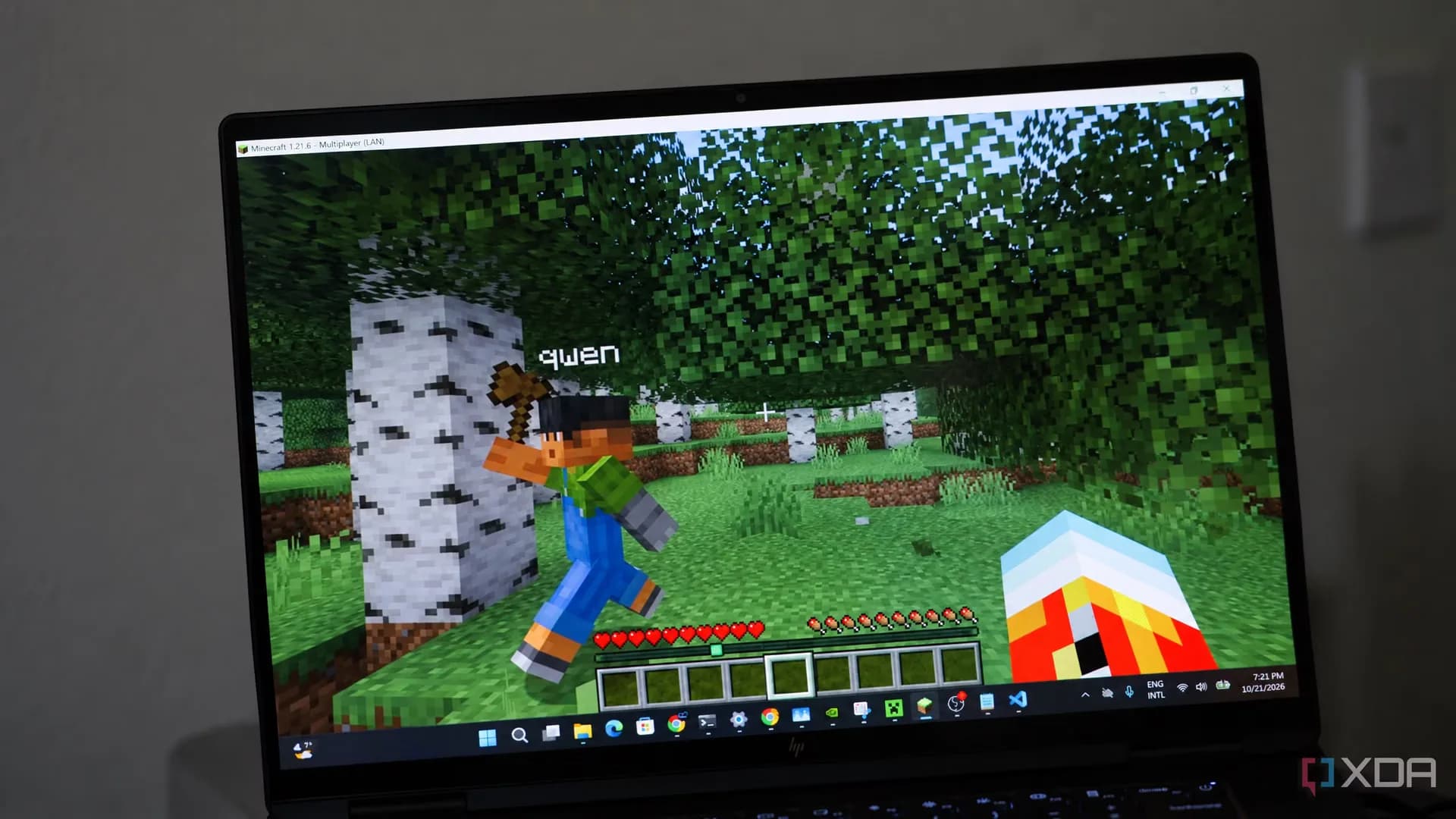
Be the first to comment
Join the argument. No password, just your email or a passkey.