SpaceX has bought up to 14 MHz of 800 MHz low-band spectrum from Grain Management — former T-Mobile assets acquired in the Sprint merger, to build a terrestrial mobile network that will run alongside its satellite-based Starlink Mobile service. The deal, filed with the FCC this week, gives SpaceX nationwide coverage rights across roughly 100% of the US population, though actual bandwidth per county ranges from 4.85 MHz to 14 MHz. Terms weren’t disclosed. Grain had paid $2.9 billion for the spectrum in a swap with T-Mobile that included handing over its own 600 MHz licenses covering ~15% of the US. Dish had first refusal on the 800 MHz band at $3.59 billion but declined. This is not SpaceX’s only spectrum play: it’s also acquiring 65 MHz of mid-band spectrum from EchoStar in a $17 billion deal approved by the FCC in May 2026. And it already leases 10 MHz of mid-band from T-Mobile under their existing partnership. Even as it now prepares to compete directly with that same carrier. The 800 MHz band matters because it punches through walls and buildings better than higher frequencies. SpaceX says most existing smartphones already support it, no hardware upgrade needed. That’s critical for its stated goal: delivering “reliable service indoors, outdoors, in cellular dead zones, and everywhere in between.” The FCC also approved SpaceX’s application to launch up to 15,000 next-generation Starlink Mobile satellites. V2 models, which the company says will deliver more than 100× the bandwidth of today’s 650-satellite fleet. Those satellites are cleared to use Ka/V/E/W backhaul bands, meaning they’ll plug into Starlink’s existing ground gateway infrastructure. Service using them is expected to begin by late 2027, with thousands more launched by end-2028. Small carriers aren’t cheering. The Rural Wireless Association warned the EchoStar and Grain deals “continue the troubling pattern of spectrum aggregation that disadvantages rural wireless providers.” Meanwhile, AT&T, T-Mobile, Verizon, and AST SpaceMobile all saw stock drops on the news. Musk has said Starlink Mobile won’t rely on traditional cell towers. Instead, it’ll use “many small base stations”. And repurpose Starlink broadband antennas already on rooftops as part of the terrestrial layer. The FCC filing confirms the plan: radios feeding sectorized antennas on towers, rooftops, and other structures. This isn’t just about filling gaps anymore. It’s about building a full-stack US mobile carrier, from spectrum to satellites to street-level infrastructure. And launching it against the Big Three. The rollout clock starts ticking in late 2027.
SpaceX Buys Nationwide 800 MHz Spectrum, Clears FCC Hurdle for 15,000-Satellite Mobile Network
SpaceX just bought nationwide low-band spectrum — and got FCC approval for 15,000 new satellites. Its bid to become a full-fledged US mobile carrier is no longer theoretical.
By Launch Day
The Mobile Desk · (1 hour ago)

Reported from
How this story was made
Written by the Hitechreports desk from the reporting credited above, with facts attributed to their original publishers. We do not test devices ourselves; anything about performance, battery life or cameras comes from the outlets that did. Prices are as reported at the time of writing. Editorial policy · Report an error
Filed by The Mobile Desk
Phones from leak to launch to price cut: what was announced, what it costs where, and when it goes on sale. Indian launches and prices included, not appended.
More from this desk →Read next
More Smartphones →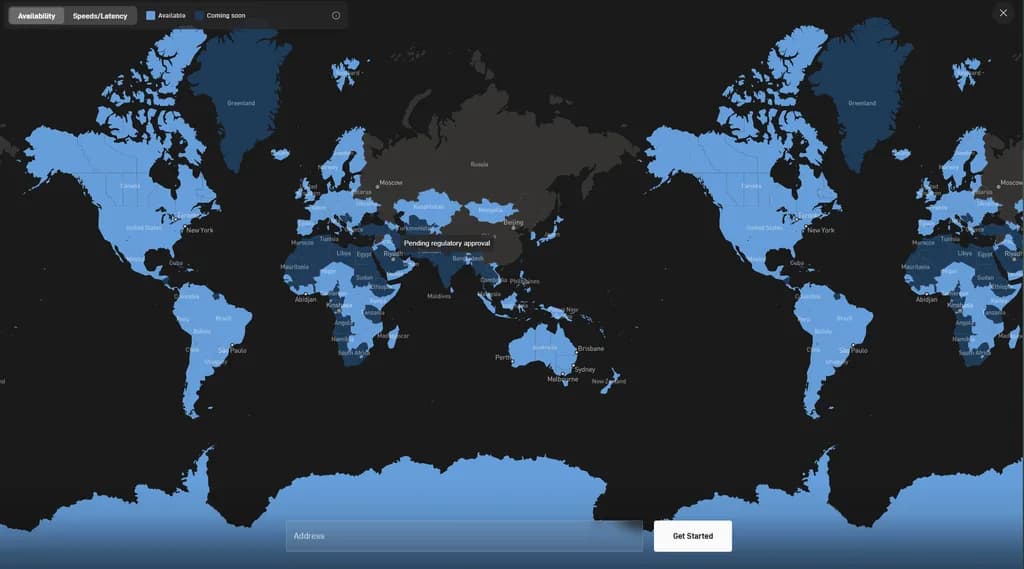
Starlink India Launch Delayed: No Oligarchs Named, No Security Clearance Granted
Starlink’s commercial launch in India remains stalled—not by oligarchs, but by security clearances.
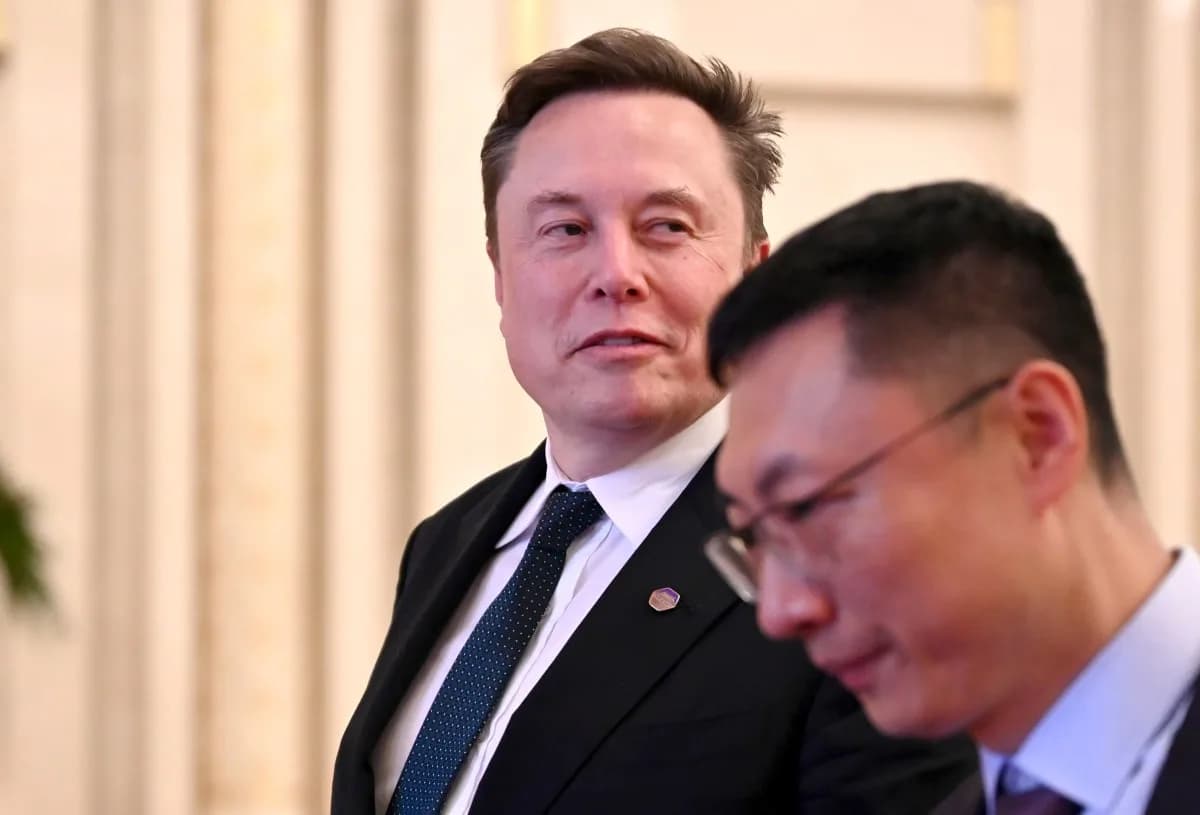
Elon Musk Accuses Mukesh Ambani While Starlink Remains Stalled in India
Starlink’s India launch remains stalled as Elon Musk publicly accuses Mukesh Ambani of obstructing competition — a claim Indian regulators have flatly denied.
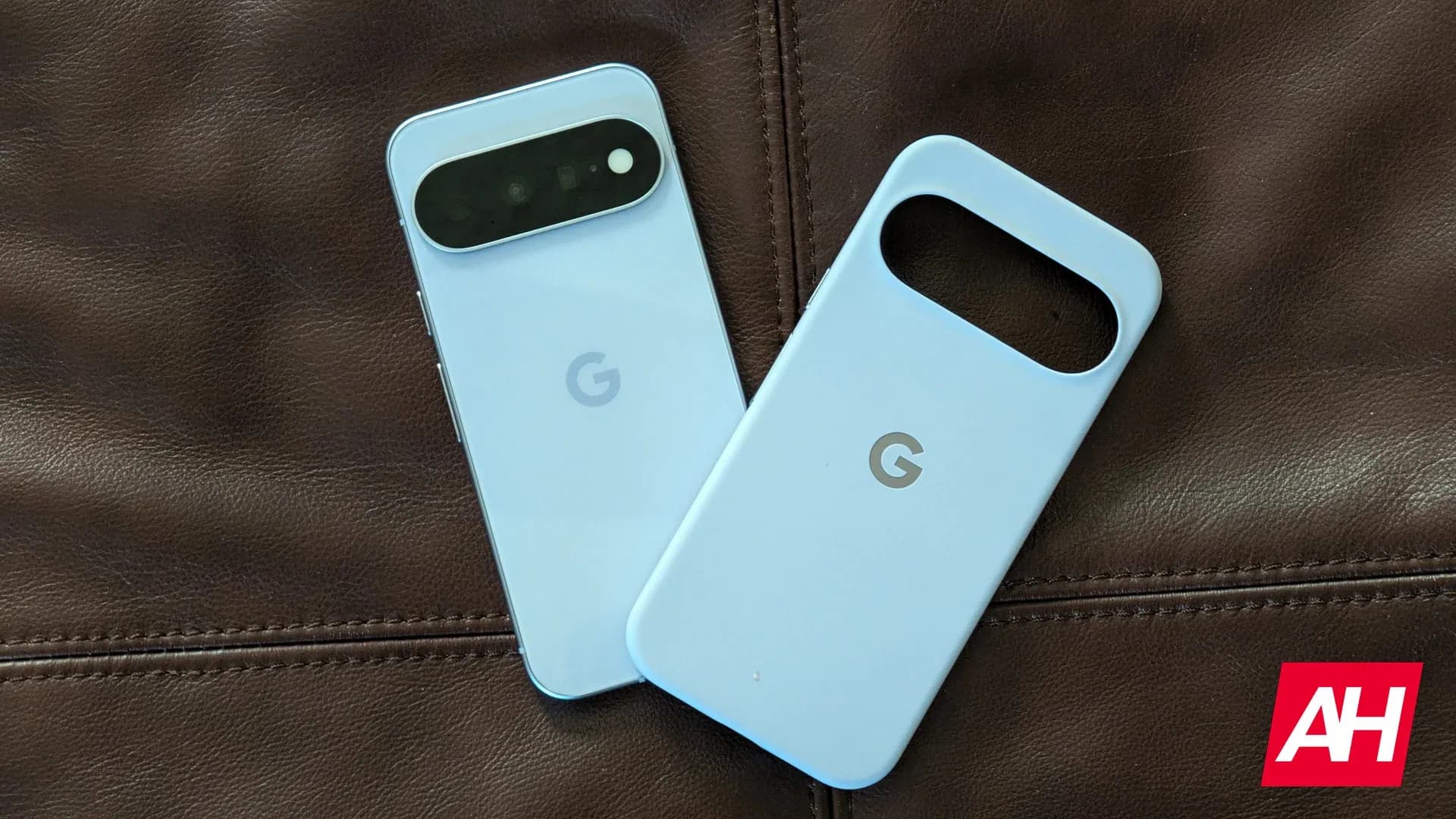
Android 17 QPR2 Beta 7 Fixes Pixel Battery Drain From Flip to Shh
Google released Android 17 QPR2 Beta 7 for Pixel devices, fixing an idle battery drain bug tied to Flip to Shh and a DownloadManager error that broke HTTPS file downloads across apps.
Be the first to comment
Join the argument. No password, just your email or a passkey.