Hitechreports's coverage over the past month points to a mixed record rather than a single trend: Apple lost a major competition case in Australia, while Sony won a similar one in the UK. Beyond those two rulings, the site's recent reporting does not touch the other antitrust fights against large technology companies that are often discussed globally, so this piece sticks to what has actually been reported, with some surrounding context about the companies involved.
Apple loses its app store fight in Australia
A federal judge in Australia ruled that Apple broke the country's competition law by blocking outside app marketplaces on the iPhone (13). The order, issued by Justice Jonathan Beach of the Federal Court of Australia in a 235-page decision, requires that iPhone owners with Australian Apple Accounts be able to install apps from third-party app stores and websites by March 1, 2027 (13). The ruling follows an earlier decision last year that had already found Apple in breach of the country's competition law (13). According to the report, Justice Beach found that Apple held what he called "a substantial degree of power" in both the iOS app distribution market and the iOS in-app payment market, and that it used its developer agreements and App Store rules to shut out rivals (13).
Apple is appealing the decision, and the report notes the company can ask by February 15 for an extension of the compliance deadline to May 3, 2027, though that extension would need the court's approval (13). The case was brought by Epic Games, and the report describes it as Apple's long-running fight with Epic in Australia, now lost at this stage (13).
Sony avoids a similar claim in the UK
In contrast, Sony won a case in London's Competition Appeal Tribunal that had claimed the PlayStation Store amounts to an illegal monopoly (29). The lawsuit, filed on behalf of roughly nine million UK PlayStation owners by consumer advocate Alex Neill under the PlayStation You Owe Us campaign, argued that Sony abused a dominant market position by blocking third-party storefronts from selling digital PS5 and PS4 games (29). The campaign said that exclusivity let Sony take a 30 percent cut of every digital sale without real competition, forcing players to pay more for games and in-game purchases (29). The tribunal disagreed, with judges finding that the claim failed to establish that PlayStation's store setup breaks competition law, according to The Game Business as cited in the report (29). The case had dragged on since 2022 before being thrown out (29).
The same complaint, two different results
Taken together, these two cases show the same basic grievance, that a platform owner controls its own app or game storefront and takes a cut of digital sales, reaching opposite legal conclusions in two different jurisdictions. Apple's Australian loss turned on findings about its power over app distribution and in-app payments and its use of developer agreements to block rivals (13). Sony's UK win turned on the tribunal's judgment that the PlayStation Store's structure does not, in itself, breach competition law (29). Hitechreports's coverage does not explain why the two tribunals reached different conclusions on what look like parallel complaints, because the reports focus on the outcomes and the immediate consequences rather than a side-by-side legal comparison.
The wider market context around these companies
Both rulings arrive at a moment when each company's hardware business is under its own separate pressure, which helps explain why the stakes of these cases matter. Sony's PlayStation 5 unit sales in the US fell to a 13-year low through August 2026, even as the average console price climbed to $597, up 20% from the previous year (7). That means fewer people are buying PlayStation hardware, but those who do are paying considerably more, a dynamic that sits alongside, though separate from, the UK store monopoly claim the tribunal just rejected (7, 29). For Apple, the company's control over its own ecosystem extends well past the App Store: the iPhone 18 Pro ships at $999 in the US (11), an unauthorized Flipkart listing in India for an unannounced "iPhone 18 Pro" shows how much appetite exists for Apple devices even without official confirmation (19), and the cheaper iPhone 17e has already risen to $699, up $100 from its original launch price (25). Apple's repair pricing on other hardware, such as the $279 out-of-warranty fee for its HomeView smart display against a $299 retail price, shows a similar pattern of tight control over costs around its own products (10). None of these figures are themselves antitrust findings, but they illustrate the kind of market power regulators and courts are examining when they look at how Apple and Sony run their platforms.
Other regulatory-adjacent stories, but not antitrust
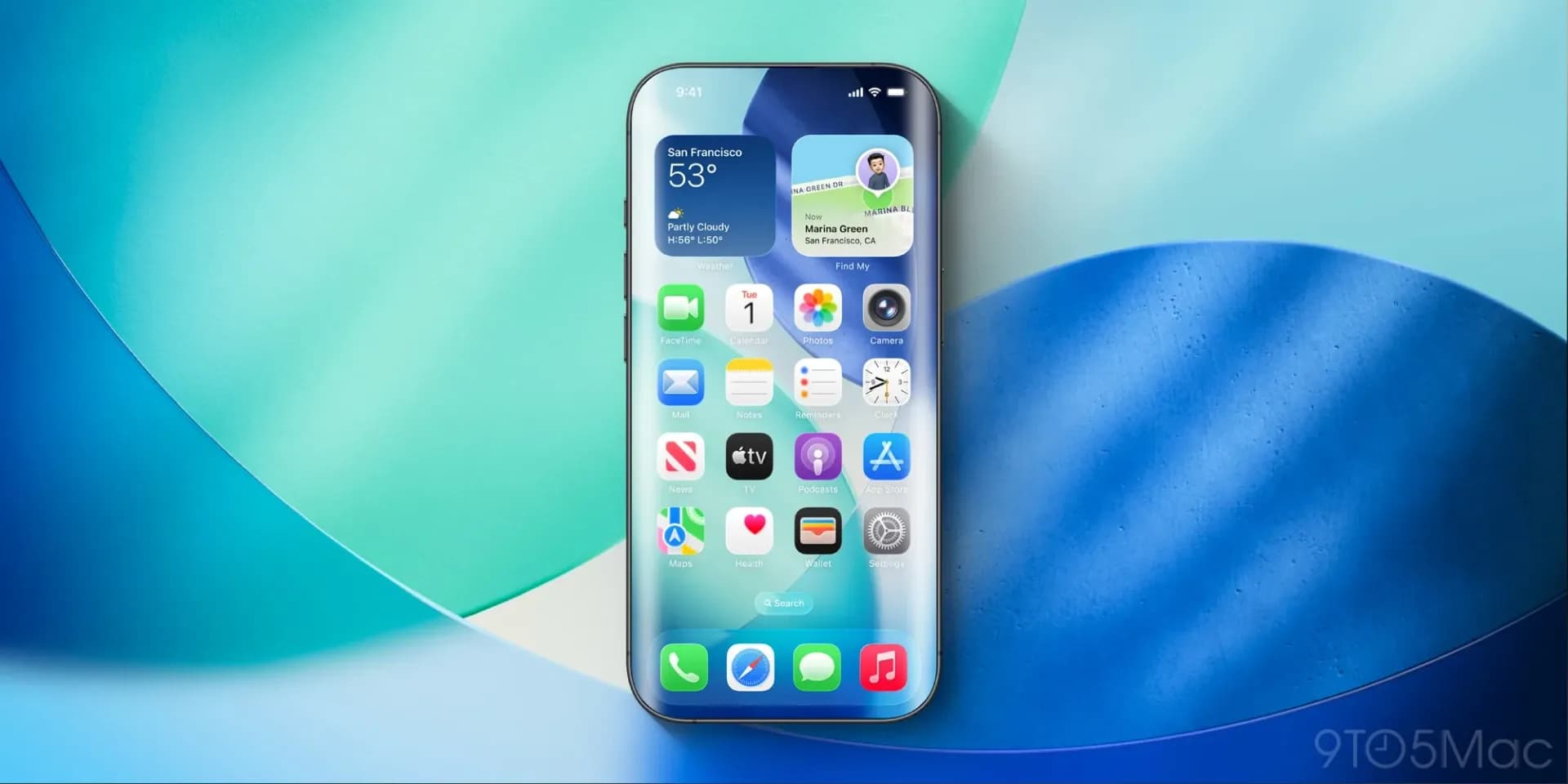
It is worth distinguishing the Apple and Sony rulings from other government-and-tech stories in the same period, because not every interaction between regulators, governments and tech companies is an antitrust matter. The UK government, for instance, is putting £100 million into a new AI Biosecurity Lab and recruiting OpenAI and Anthropic to help run it, with both companies contributing credits and technical support rather than cash (17). That is a partnership, not a competition case, and it shows the UK government working with, rather than against, large AI firms in the same general period that its Competition Appeal Tribunal was ruling in Sony's favor (17, 29). Separately, Meta acknowledged that an AI tool built on Anthropic's Claude platform triggered the accidental suspension of a political coalition's Instagram account, an incident addressed through a public apology from Meta's Andy Stone rather than any legal proceeding (12). And Microsoft's internal four-tier Windows AI PC roadmap, covering memory ranges from 8 GB entry-level devices up to 128 GB-plus machines, is a product and strategy document, not a regulatory matter (20). None of these stories describe antitrust action against their respective companies, and readers should not read them as extensions of the Apple or Sony cases.
What the coverage does not tell us
This analysis is built from roughly a month of Hitechreports's own published stories, and on the subject of antitrust against big tech companies, that month's coverage contains exactly two relevant rulings: the Apple decision in Australia and the Sony decision in the UK (13, 29). It does not include reporting on other major antitrust matters involving large technology firms that may be active elsewhere, so this piece cannot speak to the overall global state of antitrust enforcement against the industry, only to what these two reports describe. The Apple case is also not finished: the company is appealing, and the compliance deadline sits more than a year out, with a possible extension still pending court approval (13). Figures and characterizations in both reports, such as the campaign's claim about Sony's share of digital sales or the court's characterization of Apple's market power, are the claims and findings of the parties and courts involved, as reported, not independently verified by Hitechreports (13, 29). The pricing and sales figures used here for context, including PS5 average prices and iPhone pricing tiers, are company or analyst figures reported by outlets such as Notebookcheck and Tom's Guide, not numbers Hitechreports generated or tested itself (7, 11, 25). Hitechreports does not test or use Apple's or Sony's platforms; this account relies entirely on the court filings, quotes and figures described in the underlying reports.
What to watch
The clearest date to track is March 1, 2027, when Apple is required to let Australian iPhone owners install apps from third-party stores and websites, unless its appeal or a granted extension changes that timeline (13). A related date is February 15, by which Apple can formally request a delay to May 3, 2027, though the report notes that request still needs court approval (13). On the Sony side, the report describes the UK tribunal's dismissal as ending a case that had run since 2022, with no indication in the coverage of a pending appeal or further legal steps for the PlayStation You Owe Us campaign (29). Beyond the legal timelines, Apple's own roadmap points to a spring 2027 base-model iPhone and a fall 2027 redesign marking the device's 20th anniversary, moves that will keep shaping how much control, and revenue, Apple draws from its hardware and software ecosystem while the Australian ruling plays out (11). Whether Apple's Australian case triggers similar app-store rulings or claims in other markets, and whether the Sony dismissal discourages or encourages similar consumer campaigns elsewhere, are not addressed in Hitechreports's reporting so far and would require further coverage to assess.
Sources
- PlayStation 5 sales fall to 13-year low in US as average price hits $597, reported from Notebookcheck
- Apple HomeView Out of Warranty Repair Fee Reaches 279 Dollars, reported from 9to5Mac
- iPhone 18 Pro price: What’s coming next in spring and fall 2027, reported from 9to5Mac
- Claude AI tool triggered No Kings Instagram suspension, Meta confirms, reported from The Next Web
- Apple Must Open iPhone To Rival App Stores In Australia, reported from Techmeme, 9to5Mac
- Britain Pours £100 Million Into AI Biosecurity Lab With OpenAI, Anthropic, reported from The Next Web, Bloomberg.com, Bloomberg
- iPhone 18 Pro on Flipkart in India: ₹1,64,900 listing, but no Apple launch, reported from Digit
- Microsoft’s AI PC roadmap defines four tiers for Windows, from 8 GB entry to 512 GB supercomputers, reported from Wccftech
- iPhone 17e vs 17, iPhone 17e review, iPhone 17e price, iPhone 17e vs iPhone 16, reported from Tom's Guide
- Sony Beats UK Lawsuit Claiming PlayStation Store Monopoly, reported from Dataconomy, Kotaku, ICLG
This analysis was written by Hitechreports's automated Analysis Desk from the stories listed above. Figures are as those reports gave them; market figures are estimates, and Hitechreports does not test products itself.
Be the first to comment
Join the argument. No password, just your email or a passkey.