On-device AI is changing what some laptops can do, most clearly on Nvidia's RTX Spark platform, where a reviewer described agentic workflows and video editing running locally without cloud offload (6). On phones, the picture is murkier: several headline features Samsung, Google and Apple are building, from Personal Agent Core to Weekly Insights to Scan meal, either run through the cloud, don't require local AI hardware at all, or remain unreleased betas (28, 15, 29). Meanwhile companies are moving fast to charge for AI access rather than to prove it reshapes daily use, and Tom's Guide polling cited in Hitechreports's coverage found most readers don't especially want AI in their gadgets at all (14).
Laptops show the clearest on-device gains
The strongest evidence for on-device AI actually expanding capability comes from Nvidia's RTX Spark. Gizbot's early review found that a unified Grace-Blackwell system-on-chip, linked by a 600GB/s NVLink C2C connection and configurable up to 128GB of LPDDR5X memory, let agentic software run complex workflows and edit video locally rather than routing data to the cloud (6). That matters because, as Gizbot's review framed it, local AI on laptops usually hits a wall when large models exceed mobile VRAM (6). Separately, XDA Developers' week-long teardown of the Windows version of the same silicon found a physically separate 55 TOPS neural processing unit built specifically for Copilot+ features such as Windows Studio Effects and Recall, a chip XDA said Nvidia had barely explained to buyers (11). Panasonic's ToughBook FZ-G3, built around Intel's Core Ultra 5 'Panther Lake' chip, ships with a 50-TOPS NPU and multicore performance Notebookcheck says matches last year's Core Ultra 7, suggesting NPU-equipped hardware is spreading into rugged, field-use devices as well as premium laptops (26).
Phones mostly add features that depend on the cloud
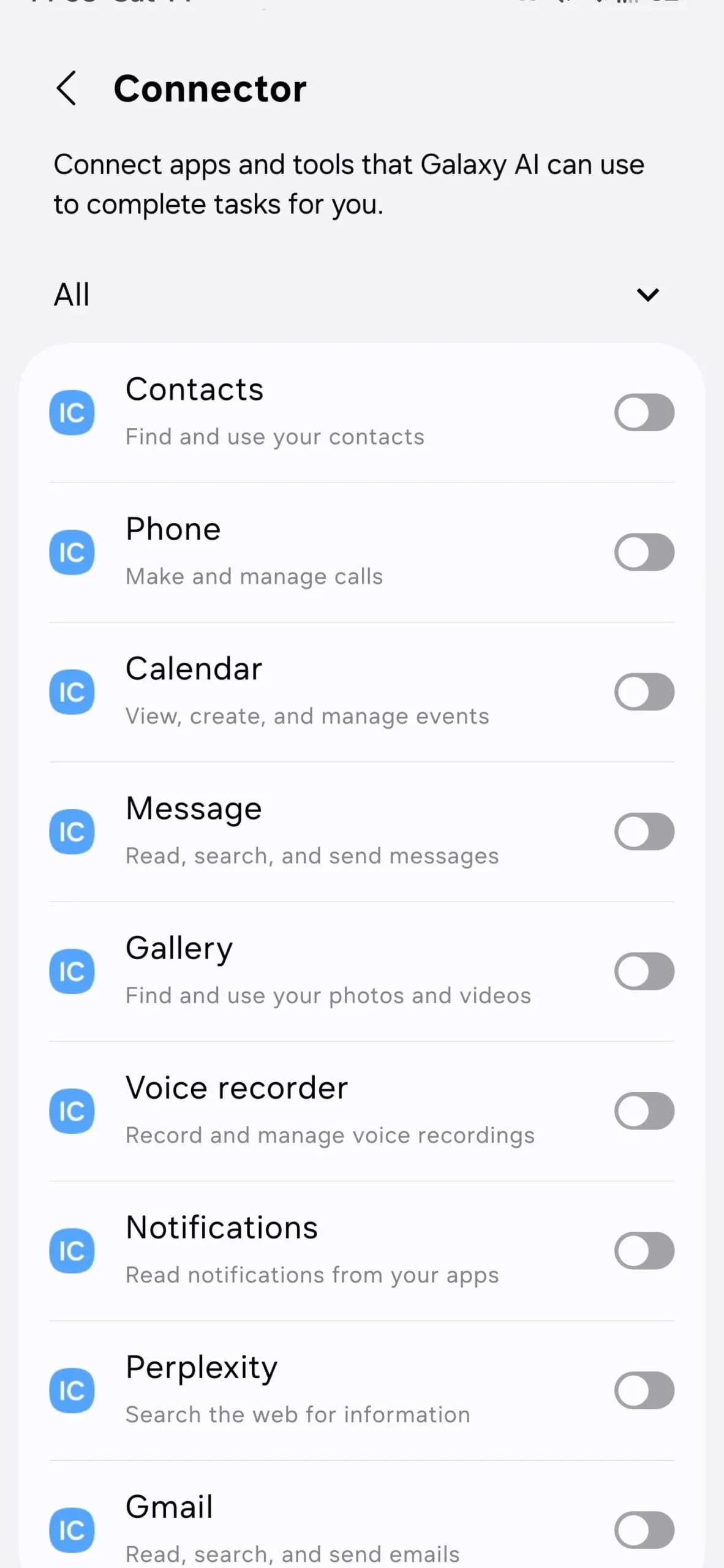
Much of what looks like on-device AI progress on phones is, by the coverage's own account, cloud-dependent or optional. Google's Weekly Insights feature, spotted in a Digital Wellbeing beta, explicitly requires no local Gemini Nano model to generate its core summary, meaning it could reach devices that lack on-device AI hardware altogether (15). Samsung's Personal Agent Core, a system-level agent coordinating actions across Calendar, Messages, Email and other apps in One UI 9.5, is described as a background layer rather than confirmed to run locally, and it is tied to the paid Galaxy AI Premium tier (28, 27). Samsung Health's new Scan meal feature, which estimates calories from food photos, is described as server-dependent and still in beta (29).
One area where on-device-style processing does appear to change a concrete task is voice input cleanup. Android Authority spotted a feature called Smart assist in Google Translate's code, designed to strip filler words and false starts from spoken input before translation, mirroring Gboard's Rambler feature that launched earlier in 2026 (5). Samsung is reportedly testing a similar function for One UI 9.5, codenamed Refine Voice Input, described by Smartprix Bytes as matching Rambler's approach of editing and structuring spoken input without manual cleanup (23). Neither feature has shipped publicly yet, and no rollout date, region or device list has been confirmed for either (5, 23).
Subscriptions are arriving faster than proof of new capability
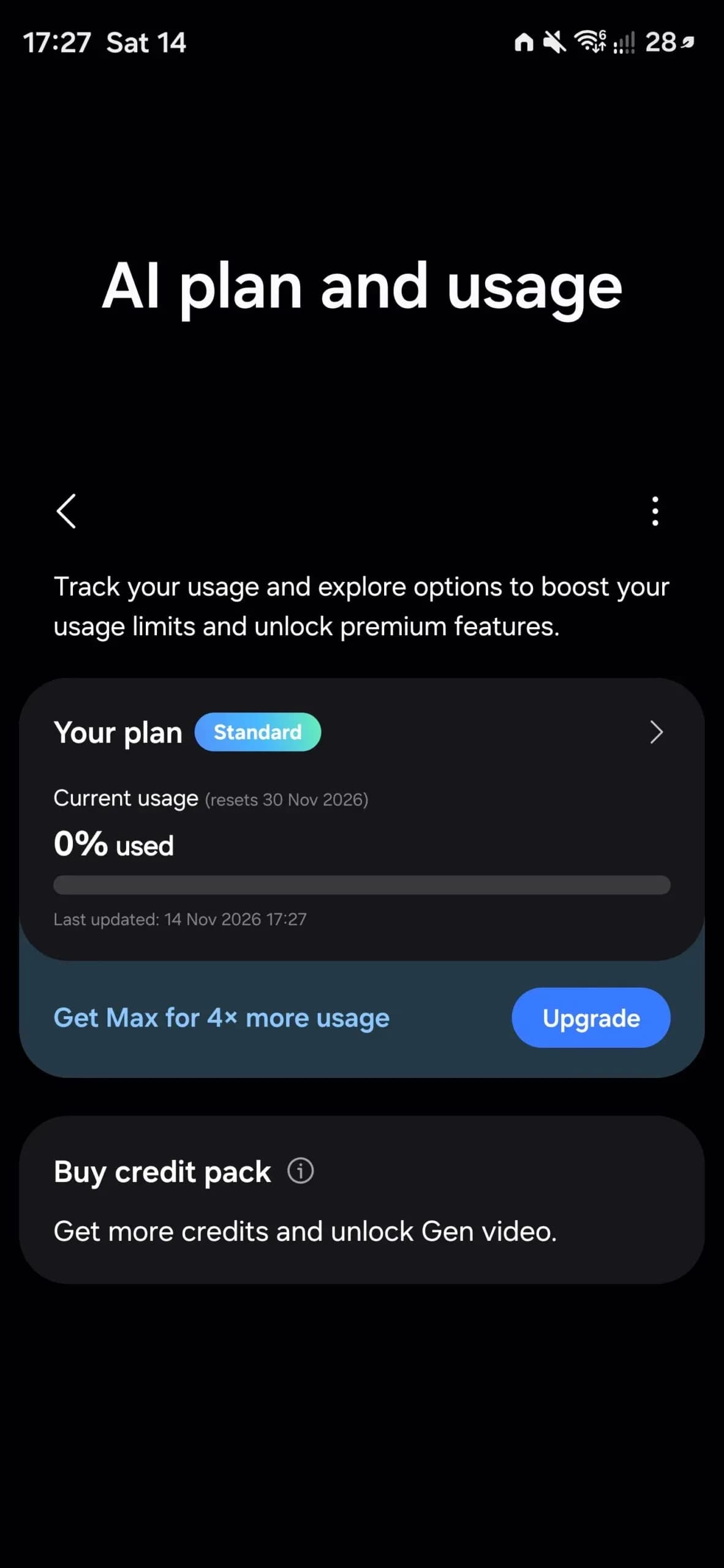
Across Hitechreports's coverage, the clearest commercial signal is that companies are moving to charge for AI features before demonstrating they meaningfully expand what devices can do. Samsung's Galaxy AI Premium plan has turned up repeatedly in code and beta builds, with figures including a $4.99 monthly or $47.99 annual tier, and separate reports describing three-tier credit systems of 10,000, 20,000 and 50,000 monthly AI credits (19, 30, 27). SamMobile cautioned that pricing shown in screenshots 'could just be placeholder figures,' and Samsung has not confirmed availability, regional rollout or billing terms (27). Android Police noted that Galaxy AI's original free-access cutoff, set for December 2025, was quietly postponed, which the outlet suggested may have been a strategic move to deepen user habituation before introducing limits (30). At the same time, Tom's Guide reported that only 5 of 200 polled readers ranked AI as their top earbud priority, versus 135 for sound quality and 27 for noise cancellation, and pointed to Anker's Soundcore Space 2 Pro, where the 'AI chatbot' tab in the companion app does not fully work yet (14).
Cloud AI model pricing is falling faster than on-device hardware is advancing
A parallel trend in the coverage is that cloud-based AI models are getting dramatically cheaper and faster, which may reduce the pressure to run everything locally. Anthropic's Claude Haiku 5.5 launched at $0.10 per million input tokens, costing nearly 75% less than its predecessor while reportedly beating OpenAI's GPT-6 Luna across shared metrics, according to Android Authority's report (1). OpenAI's GPT-6.1 Terra likewise cut API pricing to as low as a tenth of the company's priciest model (12). Google's Gemini 4 Hydrogen, described as running 2.5 times faster than Gemini 3.8 Flash, is free by default in Search and the Gemini app with no sign-up required, undercutting the cost of Google's own flagship Argon model for developers (21, 24). These are explicitly cloud models, not on-device ones; FoneArena's report on Hydrogen stressed it 'is not a consumer device, nor a phone or tablet' (22). That makes a case that some of the most dramatic recent AI gains readers are seeing are server-side improvements in price and speed, not changes to what a phone's own chip can do.
What the coverage does not tell us
This account draws on roughly a month of one outlet's reporting, and most of what it covers consists of company claims, beta features, leaked code strings and analyst or reviewer impressions rather than independent testing by Hitechreports itself. Figures such as Nvidia's 128GB memory configuration, the RTX Spark NPU's 55 TOPS rating, and Panther Lake's benchmark comparisons come from the companies or outlets that reported them, not from hands-on verification here (6, 11, 26). Several of the most AI-forward phone features described, including Samsung's Personal Agent Core, Galaxy AI Premium pricing, and Google's Weekly Insights, remain in beta or unannounced, with no confirmed launch dates, device lists or regional pricing (28, 27, 15). Readers should treat performance claims, including Anthropic's, Google's and OpenAI's benchmark comparisons, as claims made by the companies themselves unless independently verified (1, 21, 17).
What to watch
Samsung's Galaxy AI Premium is expected to roll out first with the unreleased Galaxy S27, likely around January 2027, which should clarify actual pricing and which features move behind a paywall (19, 30). Panasonic's ToughBook FZ-G3 is due in Japan in January 2027 with a global rollout expected, which will test how Panther Lake's NPU performs outside lab benchmarks (26). Apple's AI glasses and camera-equipped AirPods, confirmed via a supplier's earnings filing, are set for late 2027 and could mark Apple's next step in on-device-fed AI hardware (18). Google's Weekly Insights and Smart assist features, along with Samsung's Refine Voice Input, remain in beta with no confirmed launch windows, making their eventual rollout worth tracking for signs of how much processing actually happens on the device (15, 5, 23).
Sources
- Claude Haiku 5.5 Is Live: Fastest, Cheapest Anthropic Model Yet, reported from Android Authority
- Google Translate app Smart assist voice cleanup like Gboard Rambler, reported from Android Authority
- Nvidia RTX Spark Laptop Review Shows On-Device Agents Running Complex Workflows, reported from Gizbot
- Nvidia's RTX Spark Mini PC Hides A Locked-Down NPU, reported from XDA Developers
- OpenAI's GPT-6.1 Terra Cuts API Pricing For Visual Agent Work, reported from MarkTechPost
- Headphones Apple and Samsung keep pushing AI — even though almost nobody wants it, reported from Tom's Guide
- Google renames Weekly Wrap to Weekly Insights, adds Gemini prompt in Digital Wellbeing beta, reported from Android Authority
- Gemini 4 Carbon pricing and availability: $100/month, $2/million tokens until Nov 30, reported from Martin Cid Magazine, Android Authority
- AirPods with cameras and Apple AI glasses confirmed for late 2027, reported from AppleInsider
- Samsung Galaxy AI Premium plan confirmed in code: $4.99/month tier spotted, Galaxy S27 launch expected, reported from BGR
- Gemini 4 Hydrogen is live: 2.5× faster than Flash, $1.50/million input tokens, and free in Search, reported from Wccftech
- Gemini 4 Hydrogen vs 3.8 Flash: $1.50/million tokens, 2.5× faster coding, live now, reported from FoneArena
- Rambler Pixel voice typing on Samsung: what we know about Refine Voice Input in One UI 9.5, reported from Smartprix Bytes
- Gemini 4 Hydrogen is live: free in Search, $1.50/million input tokens for devs, reported from SiliconANGLE, The Next Web
- ToughBook FZ-G3 tablet with Intel Core Ultra 5 Panther Lake, reported from Notebookcheck
- Galaxy AI Premium interface spotted in One UI 9.5, reported from SamMobile
- One UI 9.5 beta: Agentic AI across apps, Personal Agent Core, Galaxy AI Premium, reported from SamMobile
- Samsung Health Adds Galaxy AI Scan Meal Feature, reported from SamMobile
- Samsung Galaxy AI Premium subscription confirmed in code: $4.99/month, usage limits coming to Photo Assist and Now Brief, reported from Android Police
This analysis was written by Hitechreports's automated Analysis Desk from the stories listed above. Figures are as those reports gave them; market figures are estimates, and Hitechreports does not test products itself.
ADFiled by The Analysis Desk
One question about the technology industry a day, answered from our own coverage, with every claim linked to the story it comes from.
More from this desk →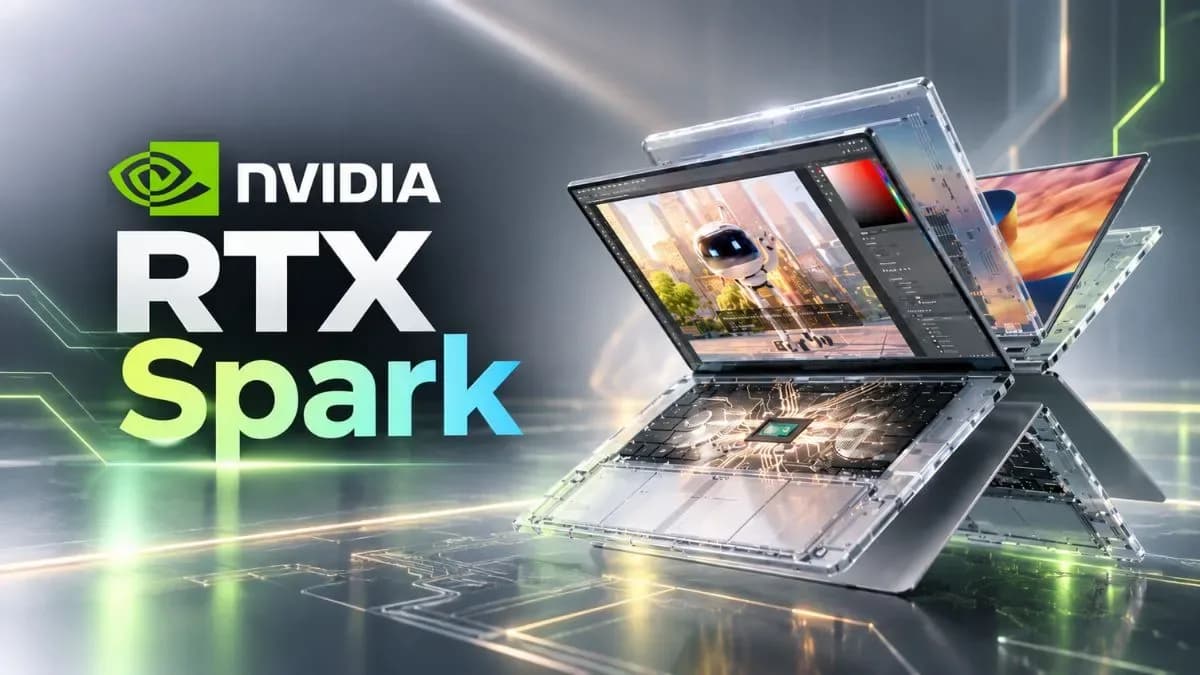
Be the first to comment
Join the argument. No password, just your email or a passkey.